Metal Roofing Alliance Member
TVA Preferred Partners Network
10,000+ Metal Roof Jobs
Nashville, TN
Licensed & Insured
BBB A+

Open 8am–8pm
(615) 649-5002Schedule Your
Appointment
Appointment
✦ Reviewed by The Metal Roofers Technical Team
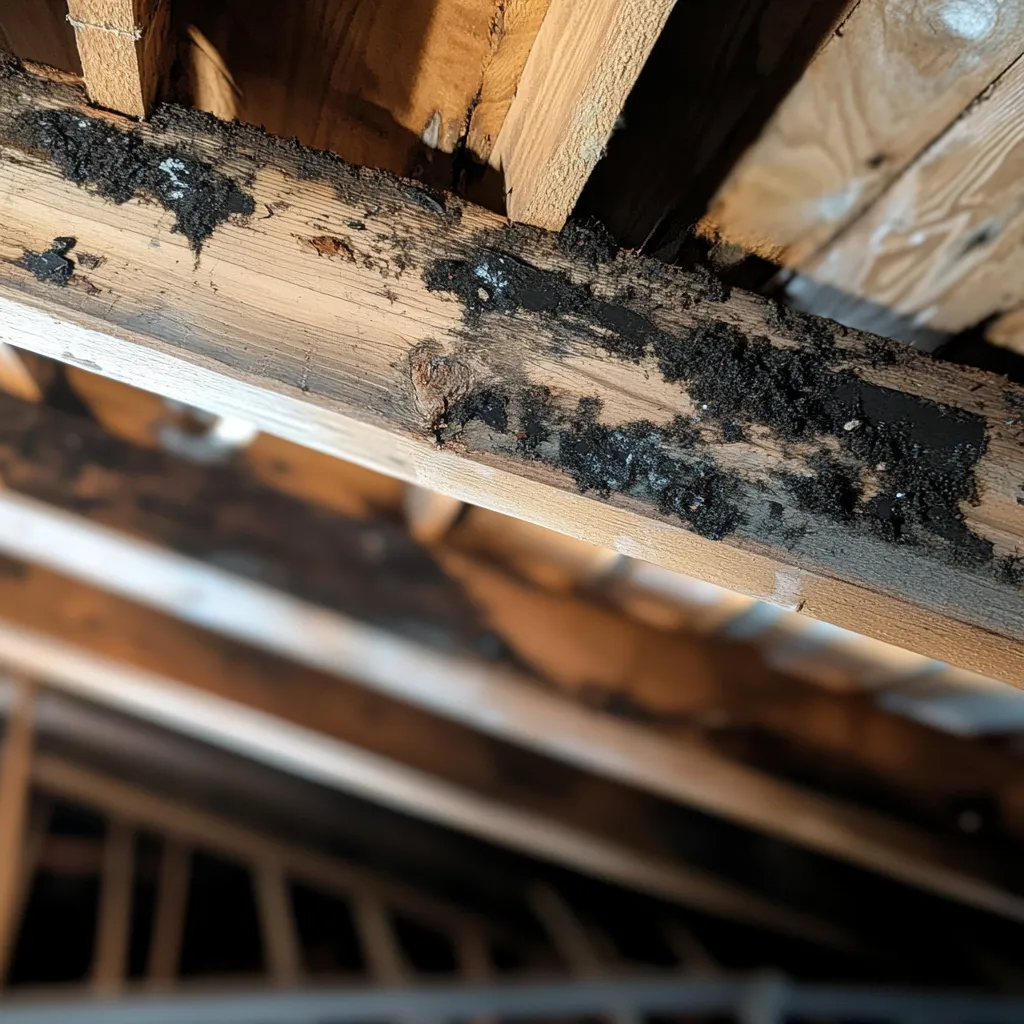
Ignoring a small roof leak costs you because attic moisture ruins insulation, rots framing, and can start mold growth within 24 to 48 hours. Roof leaks often start subtly, letting moisture quietly infiltrate your attic, and setting the stage for significant damage that becomes costly over time. In this guide, we'll help you understand exactly how roof leaks introduce moisture into your attic and explain the chain reaction of issues, from compromised insulation and rotting wood to mold growth and serious health implications. We'll also cover why procrastinating repairs can dramatically increase damage and expenses, concluding with how our company can assist in swiftly addressing these leaks and providing lasting solutions.
Roof leaks introduce moisture through small openings such as missing shingles or damaged flashing, which create pathways for water to enter the attic even when the roof looks sound. According to FEMA, wind-damaged roof flashing significantly increases your home's vulnerability to water intrusion and mold development. Water doesn't require a large gap; even small cracks or damage can lead to significant moisture intrusion. Rainwater often travels along roof sheathing or rafters, gradually accumulating moisture unseen in your attic, initially appearing only as small stains or subtle signs indoors.
Once moisture penetrates your attic, it begins to impact critical components such as insulation, wood framing, and your HVAC system. Insulation is specifically designed to remain dry; when it becomes damp, its insulating capability diminishes dramatically. MetalRoofing.com notes that even a 1% increase in moisture content in insulation can reduce its efficiency by up to 2.5%, driving up energy costs and reducing indoor comfort. Saturated insulation can clump, deteriorate, and even grow mold, potentially leading to ceiling damage and structural concerns.
Wood framing, including rafters, joists, and roof sheathing, is particularly susceptible to sustained moisture exposure. Persistent moisture can cause wood to warp, weaken, and eventually rot, drastically compromising the structural integrity of your roof and home. FEMA highlights the risk of fungal decay, known as "dry rot," resulting from prolonged water exposure, emphasizing the need for timely intervention to prevent severe structural damage.
Additionally, attic moisture poses significant risks to your home's HVAC systems. Moisture and high humidity accelerate corrosion in metal ductwork, compromise electrical connections, and potentially cause equipment failure. The EPA specifically warns against using HVAC systems contaminated by mold, as this can distribute mold spores throughout your home, severely degrading indoor air quality and affecting your family's health. Furthermore, water leaking into electrical fixtures poses additional risks, including electrical hazards and costly repairs.
Mold can start growing in a damp attic within 24 to 48 hours of moisture intrusion, according to the EPA, and lasting damp also rots the wood structure. Roof leaks are commonly cited by the CDC as a primary cause of household mold outbreaks. Mold doesn't just grow in bathrooms or basements, it can flourish in damp attics, rapidly spreading across roof decking, wooden structures, insulation, and stored items, releasing spores into the home's air. A persistent musty odor is often an early indicator of hidden mold issues.
Alongside mold, continuous moisture encourages wood rot, another destructive consequence of roof leaks. Unlike surface mold, rot irreversibly weakens structural wood components, ultimately leading to extensive and costly repairs. FEMA's building guidelines explicitly note that prolonged moisture exposure causes structural wood to deteriorate significantly. Over time, wood rot compromises the stability and safety of your home's structure, making prompt intervention essential.
Mold from a roof leak is a real health risk, because spores moving through the home's HVAC system and air lower indoor air quality and trigger allergic and respiratory reactions. The CDC reports common symptoms of mold exposure include nasal congestion, throat irritation, coughing, wheezing, and skin rashes, with increased risks for individuals with asthma or mold sensitivities. Long-term exposure can even lead to chronic respiratory conditions, particularly in children, the elderly, and those with compromised immune systems. In short, mold caused by unattended roof leaks transforms your home environment from safe to hazardous, emphasizing the urgency of addressing moisture issues swiftly.
Ignoring roof leaks not only exacerbates damage but significantly increases eventual repair costs. Structural repairs escalate quickly when persistent leaks lead to extensive wood rot, mold-infested insulation, and damaged interior surfaces. Delayed repairs often evolve from simple fixes to extensive reconstruction, requiring multiple professionals and significantly higher costs. Mold remediation, particularly once it spreads widely, demands specialized interventions, removal of contaminated materials, and expensive replacements, expenses typically excluded from insurance coverage when leaks result from neglect.
Leaks also indirectly inflate costs through collateral damage to interior finishes, furnishings, and personal items stored in attics. Moisture travels unpredictably, often resulting in widespread staining, structural weakening, and potential ceiling collapses. Additionally, ineffective insulation from moisture exposure increases your home's energy costs, silently escalating expenses each month.
Addressing roof leaks early is far less costly and disruptive than waiting until extensive damage occurs. Prompt repairs preserve your home's structural integrity, prevent mold growth, and maintain safe indoor air quality. A professional roof inspection is the fastest way to catch a leak before it reaches this stage.
The Metal Roofers repairs roof leaks quickly, diagnosing the source, making precise repairs, and guiding homeowners on keeping the attic dry and the home safe. Our metal roof repair service handles exactly these leak calls.
For homeowners seeking lasting protection, we recommend considering metal roofing systems. Metal roofs, praised by MetalRoofing.com for their robust water resistance and longevity, offer exceptional protection against leaks, moisture intrusion, and mold growth. The Metal Roofing Alliance emphasizes the lifetime durability of metal roofs, highlighting their resistance to common roofing issues such as cracking, loosening, and fungal growth. By upgrading to a metal roofing system, you invest in decades of worry-free protection, significantly enhancing your home's structural integrity and comfort.
Ultimately, addressing roof leaks promptly and proactively adopting lasting solutions safeguards your home and family's health. Let our team assist in ensuring your home remains secure, dry, and comfortable for years to come. Request an inspection to get started.

The biggest problem with metal roofs is improper installation, not the metal itself.
Learn how Nashville metal roof leak repair really works, from tracing leaks at chimneys and valleys to deciding when repair is enough and when to replace.
Missing shingles can lead to leaks over time. Learn how they impact your roof and what to do to prevent water damage