Metal Roofing Alliance Member
TVA Preferred Partners Network
10,000+ Metal Roof Jobs
Nashville, TN
Licensed & Insured
BBB A+

Open 8am–8pm
(615) 649-5002Schedule Your
Appointment
Appointment
✦ Reviewed by The Metal Roofers Technical Team
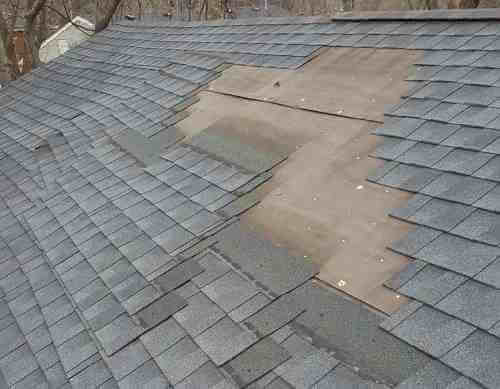
Yes, missing shingles can absolutely lead to a leak, though usually not the day they go missing. The bigger problem is what happens over the weeks and months that follow.
A single missing shingle doesn't automatically mean water is pouring into your attic. The underlayment underneath the shingles is designed to resist water, and it can hold up for a while. But underlayment is a backup system, not a primary one. Exposed to direct sun, rain, snow, and wind for any extended period, it breaks down. That's when the leak shows up.
Your roof works as a layered system. Shingles are the top layer, designed to shed water before it touches anything else. Underneath them sits the underlayment, then the roof deck (usually plywood or OSB), then your attic and ceiling.
When a shingle goes missing, that top defense is gone in that spot. Water hits the underlayment directly. Underlayment can handle that for a while, but every storm wears it down. Eventually water gets through to the deck. Soaked deck means water in your attic, and water in your attic means stains on your ceiling, damaged insulation, and the start of much bigger problems.
Most people focus on the water itself, but the longer-term issue is what water enables: mold and mildew growth in your attic.
Mold doesn't need much to take hold: just moisture, warmth, and an organic surface like wood framing or insulation. Once it's established it spreads through your attic, into wall cavities, and into the air you breathe in the house. It causes allergy symptoms, asthma flares, and respiratory issues, and remediating it is expensive. Some buyers will walk away from a home with known mold history.
The point: a missing shingle isn't just a roofing problem. Left long enough, it's a health and property-value problem.
Look at the affected area from the ground or with binoculars. See if other shingles around it are loose, curled, or damaged. Sometimes one missing shingle is the signal of larger wind or storm damage you can't see from below.
If a real storm is coming and you can't get a professional out before it, a temporary tarp or a tube of roofing cement can keep things from getting worse. Don't make this your permanent fix.
The repair itself is usually quick and inexpensive, if it's just one or two shingles and the underlayment is still intact. Waiting turns a one-hour repair into a deck replacement or worse.
If wind or storm damage caused the missing shingles, your homeowner's policy may cover the repair. File quickly if so. Most policies have time limits on claims after the event.
After major storms, do a quick visual check of your roof. Once a year, get a professional inspection. Cheap insurance against expensive problems.
Sometimes what looks like one missing shingle turns out to be the visible tip of a bigger issue. Older roofs, sun-damaged shingles, brittle materials: in those cases a patch can fail in months, or no matching shingles are available, or the underlying deck is already compromised. A professional inspection will tell you whether you're looking at a $200 repair or a roof replacement.
Color matching is another factor. Shingles fade differently over time, and a new replacement shingle next to a 10-year-old roof won't match. For a roof you plan to sell in the near future, that visual mismatch can affect curb appeal.
Missing shingles are an early warning. Catch them quickly and the fix is small. Wait and they become leaks, mold, and serious repair bills. If you've spotted missing shingles on your Nashville-area roof, get someone up there before the next storm. We do free inspections and will give you a straight read on whether you need a patch, a section repair, or something bigger. Learn more about our shingle roofing services or contact us to schedule an inspection.

Learn how Nashville metal roof leak repair really works, from tracing leaks at chimneys and valleys to deciding when repair is enough and when to replace.
Once moisture penetrates your attic, it begins to impact critical components such as insulation, wood framing, and your HVAC system.
Proper upkeep on your metal roof can prevent minor issues from becoming costly repairs and help your metal roofing last for decades.