Metal Roofing Alliance Member
TVA Preferred Partners Network
10,000+ Metal Roof Jobs
Nashville, TN
Licensed & Insured
BBB A+

Open 8am–8pm
(615) 649-5002Schedule Your
Appointment
Appointment
✦ Reviewed by The Metal Roofers Technical Team
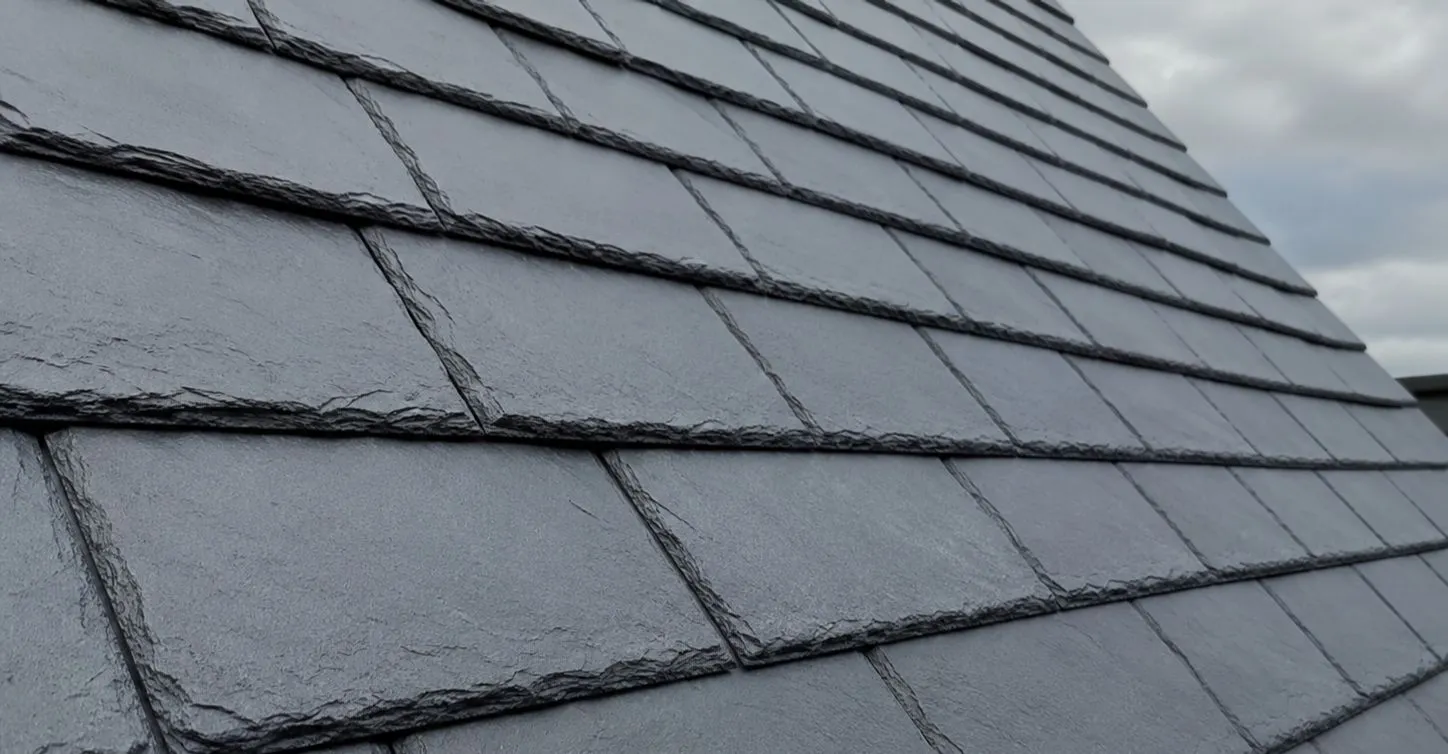
Metal shingles in Nashville cost about $8 to $12 per square foot for standard steel systems, and $10 to $16 or more for premium or complex projects. Metal shingles are one of the most misunderstood roofing options in Nashville. Many homeowners know about standing seam metal roofs. Many know about exposed-fastener metal panels on barns, porches, and utility buildings. But metal shingles sit in the middle: they offer the durability and longevity of metal while preserving a more traditional shingle, shake, slate, or tile-like appearance.
That makes them attractive for homeowners in Nashville, Brentwood, Franklin, Hendersonville, Mount Juliet, Murfreesboro, Gallatin, Lebanon, Nolensville, Spring Hill, and other Middle Tennessee communities where a standing seam roof may feel too modern or too bold.
The biggest question is cost.
In Nashville, a professionally installed metal shingle roof will often fall somewhere around $8 to $12 per square foot for many standard steel systems, with more premium or complex projects commonly reaching $10 to $16 per square foot or more. Copper, zinc, premium aluminum, stone-coated systems, complex rooflines, steep slopes, decking repairs, tear-off, and historic or HOA requirements can push the project higher.
This guide explains what metal shingles cost in Nashville, how they compare with asphalt shingles and standing seam metal, what drives the price, and how to read a metal shingle estimate.
A Tennessee roofing cost guide updated in 2026 lists professional metal roof installation at about $5.50 to $15 per square foot, with exposed-fastener metal around $5.50 to $7.50 per square foot, standing seam around $10 to $15 per square foot, and metal shingles around $8 to $12 per square foot. It also notes that many Tennessee metal roof replacements fall between $15,000 and $45,000, depending on roof size, material, labor, design, tear-off, and decking conditions.
Another metal roofing cost guide places metal shingle material costs around $3 to $7.50 per square foot for steel shingles and $4 to $16 per square foot for aluminum, zinc, and copper options, with installed metal shingle projects commonly around $6 to $14 per square foot before premium design factors.
For Nashville homeowners, a practical planning range is:
Metal shingle project typePlanning rangeSimple steel metal shingle roof$8–$12 per sq. ft.Typical quality Nashville installation$10–$16 per sq. ft.Complex, steep, premium, or specialty roof$16–$22+ per sq. ft.Copper, zinc, custom, or historically sensitive workOften higher
These are planning ranges, not final quotes. The actual cost depends on the measured roof surface, not the square footage of the house. For installed pricing across every system we offer, see our 2026 Nashville metal roof pricing guide.
Metal shingles are modular metal roofing units designed to install in courses across the roof, more like traditional shingles than long vertical standing seam panels. They may be made from steel, aluminum, copper, zinc, or stone-coated steel. Many use concealed fasteners, interlocking edges, and matching trim accessories.
Some metal shingles are designed to look like slate. Some resemble wood shakes. Some resemble dimensional asphalt shingles or tile. Others have a more distinct metal-shingle appearance.
Manufacturers often describe metal shingles as lightweight, interlocking, concealed-fastener systems installed over solid decking. For example, one aluminum metal shingle system uses four-way interlocking panels, concealed fastening clips, matching trim, valleys, pipe flashing, underlayments, clips, sealants, and related accessories as part of a complete roof system.
Steel metal shingle systems may also use four-way interlocks, hidden fasteners, solid-deck installation, and test ratings for impact, fire, and wind uplift depending on the product and assembly.
Standing seam metal roofing uses long vertical panels with raised seams, while metal shingles use smaller modular pieces with a more traditional roof texture, and cost between the two can overlap. Standing seam has a clean, modern, linear appearance and is often considered the premium residential metal roof style. It is also commonly used on porches, farmhouses, modern homes, and historic projects when the profile is appropriate.
Metal shingles use smaller modular pieces. They create a more traditional roof texture and may blend more easily into neighborhoods where homeowners associations or neighbors expect a shingle-like appearance.
Cost can overlap. In some Tennessee estimates, metal shingles are less expensive than standing seam. In others, premium metal shingles can cost as much as or more than standing seam. The difference depends on product, metal type, roof complexity, installer experience, and trim details.
A simple exposed-fastener roof may be cheaper than both. A high-end metal shingle roof with premium coating, complex flashing, steep pitch, and detailed trim may be more expensive than a simple standing seam roof.
Metal shingles cost more upfront than asphalt shingles but are usually bought for long service life, lower maintenance, and appearance. A 2026 Homewyse cost guide lists national basic asphalt shingle roof installation starting around $5.09 to $6.66 per square foot, while also warning that actual costs vary by project requirements, labor, materials, and location.
Metal shingles usually cost more upfront because the material, fastening system, trim package, installation labor, and required detailing are more involved. But metal shingles are typically purchased for a different reason: long service life, lower maintenance, appearance, fire resistance, impact resistance on certain products, and reduced likelihood of replacing the roof multiple times over the ownership period.
One Tennessee cost guide compares metal roofing at $6 to $24.50 per square foot with a 50+ year expected lifespan, while listing asphalt shingles at $4.50 to $7 per square foot with a 20 to 30 year expected lifespan.
That does not mean metal shingles are always the best financial choice for every homeowner. If someone plans to sell a home soon, the payback may be different than for someone planning to stay for decades. But for long-term Nashville homeowners, metal shingles can be evaluated as a lifetime or near-lifetime roof rather than a short-cycle replacement.
A Nashville metal shingle roof costs about $12,000 to $24,000 for 1,500 square feet of roof area and $28,000 to $56,000 for 3,500 square feet. Roofing is priced by roof area, not living area. A 2,000-square-foot house does not necessarily have a 2,000-square-foot roof. The roof surface may be larger because of pitch, overhangs, garages, porches, dormers, and roof shape. Roofers measure in roofing squares, and one roofing square equals 100 square feet.
Here are planning examples for Nashville metal shingles:
Measured roof areaRoofing squaresAt $8/sq. ft.At $12/sq. ft.At $16/sq. ft.1,500 sq. ft.15 squares$12,000$18,000$24,0002,000 sq. ft.20 squares$16,000$24,000$32,0002,500 sq. ft.25 squares$20,000$30,000$40,0003,000 sq. ft.30 squares$24,000$36,000$48,0003,500 sq. ft.35 squares$28,000$42,000$56,000
These examples are not quotes. They are simple math based on measured roof surface. A steep roof in Belle Meade, a dormer-heavy roof in Green Hills, a complex roof in Franklin, or a historic home in East Nashville can cost more than the table suggests.
Metal shingles cost about $800 to $1,200 per roofing square for simple steel systems and $1,000 to $1,600 for a typical quality Nashville installation. Because roofers often price by the square, homeowners may hear metal shingle prices quoted as a cost per roofing square.
Since one square is 100 square feet, the math is:
Price per square footPrice per roofing square$8/sq. ft.$800/square$10/sq. ft.$1,000/square$12/sq. ft.$1,200/square$14/sq. ft.$1,400/square$16/sq. ft.$1,600/square$20/sq. ft.$2,000/square
When comparing estimates, make sure each contractor is pricing the same scope. A $1,000-per-square quote that includes tear-off, underlayment, trim, flashing, and disposal may be a better value than an $850-per-square quote that excludes important items.
The cost of metal shingles in Nashville is driven by roof size, roof complexity, tear-off, decking repairs, underlayment, metal type, coating, trim, labor, and permit or HOA approvals. Metal shingle pricing is not one number.
The larger the measured roof surface, the more material, underlayment, fasteners, trim, labor, and disposal the project requires. Large simple roofs may have a lower cost per square foot than small complex roofs because labor is more efficient.
Complexity is one of the biggest cost drivers. Valleys, dormers, skylights, chimneys, hips, turrets, dead valleys, sidewalls, low-slope transitions, and multiple roof planes all add labor and flashing work. Tennessee cost guidance specifically identifies valleys, dormers, skylights, chimneys, and pitch transitions as items that can increase metal roof cost.
A simple gable roof in Hendersonville may be much less expensive than a steep, cut-up roof in Brentwood with dormers, valleys, and multiple porches, even if both homes have similar floor area.
Removing an old asphalt roof adds labor and disposal cost. Some metal roofs may be installed over existing roofing in certain situations, but that depends on code, manufacturer instructions, deck condition, roof layers, moisture risk, and the specific product. Many high-quality metal shingle projects start with a tear-off so the contractor can inspect the deck, replace damaged sheathing, and install the correct underlayment.
One metal shingle cost guide lists tear-off as a common added cost factor, often adding $1 to $5 per square foot depending on project conditions.
Metal shingles need a sound substrate. If the roof deck has rot, delamination, soft spots, old leaks, plank gaps, or bad previous repairs, the contractor may need to replace decking before installing the metal roof.
Deck repair can be a small line item or a major surprise. A good Nashville roof estimate should explain how decking replacement is priced if hidden damage is discovered after tear-off.
Metal shingles are part of a water-shedding system. They need proper underlayment, ice and water protection where required or recommended, starter details, valley underlayment, and flashing integration.
Underlayment cost varies by product and scope. A basic synthetic underlayment is different from a high-temperature self-adhered underlayment used under certain metal systems. For metal roofing, underlayment compatibility matters because metal roofs can experience higher surface temperatures than asphalt shingles.
Steel metal shingles are usually the most common and cost-effective option. Aluminum is lighter and corrosion-resistant, often used in premium residential systems. Copper and zinc are specialty materials and can cost much more.
A 2026 Tennessee metal roofing cost guide lists galvanized steel at $3.50 to $6.50 per square foot, aluminum at $6 to $12 per square foot, copper at $14 to $25 per square foot, and zinc at $10 to $18 per square foot as broad material-type cost ranges.
Those numbers should be treated as broad planning ranges, not installed quotes for every Nashville home. Product line, coating, labor, trim, and roof complexity can change the final installed price.
The finish matters. Many higher-end metal shingles use PVDF-type coatings, specialty colors, reflective pigments, stone coatings, or textured finishes. These affect appearance, heat performance, fading resistance, and price.
A cheaper panel with a lower-end finish may not be equivalent to a premium metal shingle with a stronger coating system and longer finish warranty.
Metal shingle roofs require more than field shingles. A complete system can include starter/drip edge, gable trim, hip and ridge caps, sidewall flashing, valleys, pipe flashing, sealant, clips, fasteners, snow guards, matching coil stock, and ventilation details.
These details affect the final price. They also affect performance. A metal shingle roof should not be estimated as if the only material is the shingle itself.
Metal shingles are not installed exactly like asphalt shingles. Interlocks, clips, flashing, cuts, valleys, penetrations, and trim details require training and patience. Labor is often a major share of the installed cost.
A Tennessee cost guide states that professional metal roof installation typically accounts for a large portion of project cost and lists typical installation ranges by system type.
For Nashville homeowners, installer experience is especially important on complex roofs, older homes, and neighborhoods with strict appearance requirements.
Cost is not only material and labor. In Nashville, approval requirements can affect timeline, documentation, and product choice.
Metro Nashville has adopted the 2024 International Building Code, 2024 International Residential Code, 2024 International Existing Building Code, and related codes.
Homes in homeowners associations may require architectural approval before a metal shingle roof is installed. Homes in Nashville historic or neighborhood conservation overlays may require Metro Historic Zoning review. This is especially important for metal shingles because Nashville’s Historic Zoning metal roofing supplement identifies metal roofing made to look like wood, slate, or tile as unapproved in that context.
That does not mean metal shingles are bad. It means homeowners in historic overlays should confirm approval before choosing a product that imitates another traditional material.
Metal shingles can be attractive, durable, and HOA-friendly, but they are not always the easiest choice for Nashville historic review.
Many metal shingles are designed to imitate slate, shake, or tile. That can help in some suburban HOA communities because the roof looks more familiar than standing seam. But in Nashville historic zoning, imitation can be a problem. Metro’s metal roofing guidance identifies rolled standing seam as the most historically appropriate metal roofing type and identifies metal that looks like wood, slate, or tile as unapproved metal roofing.
For a home in Lockeland Springs, Edgefield, Belmont-Hillsboro, Waverly-Belmont, Germantown, Salemtown, or another historic overlay, the homeowner should check the district rules before pricing metal shingles. A standing seam profile may be more historically appropriate than a metal shingle, even if the metal shingle looks more traditional to a modern homeowner.
For a home outside historic zoning but inside an HOA, the opposite may be true. The HOA may prefer a shingle-like profile. That is why approval context matters.
A small home with a measured roof area around 1,500 square feet might fall between $12,000 and $24,000 using a broad $8 to $16 per square foot planning range.
A simple roof with easy access and limited flashing may be closer to the lower end. A historic home with steep pitch, old decking, multiple layers, chimney flashing, and approval requirements may be higher.
A roof around 2,500 square feet might fall between $20,000 and $40,000 using the same planning range.
This is a common category for homes in Brentwood, Franklin, Hendersonville, Mount Juliet, Nolensville, Lebanon, and Murfreesboro. Complexity matters more than ZIP code alone. A simple roof may price efficiently. A roof with multiple dormers, intersecting valleys, and steep slopes may cost much more.
A measured roof area around 3,500 square feet might fall between $28,000 and $56,000 at $8 to $16 per square foot, with premium systems or complex work exceeding that range.
Large custom homes often require more staging, more trim, more flashing, more crew time, more safety equipment, and more waste. Specialty colors, premium coatings, copper accents, skylights, and large porches can raise the price.
Cost per square foot of house is misleading because roofers price the measured roof surface, which can be far larger than the home’s interior square footage. Estimating roof cost from interior square footage is a common homeowner mistake.
A 2,000-square-foot one-story ranch may have a larger roof than a 2,000-square-foot two-story home. A home with wide porches, a three-car garage, steep roof pitch, and multiple dormers can have far more roof surface than its living area suggests.
Roofers estimate from measured roof planes. They account for slope, waste, overhangs, valleys, cuts, ridges, hips, and accessories. That is why a satellite estimate, drone measurement, or on-site roof measurement is much more useful than the square footage listed on Zillow.
Yes, metal shingles can be worth the cost for a long-term Nashville homeowner who wants metal performance without the look of standing seam. They can also be a strong option when the roof is visible from the street and the homeowner wants a more textured residential appearance.
The main advantages are:
Long expected service life
Traditional shingle-like appearance
Concealed or protected fastening on many systems
Strong wind, fire, and impact ratings on some products
Lower weight than slate or tile
Compatibility with many residential styles
Potentially better neighborhood acceptance than standing seam in some HOAs
Some steel metal shingle systems are tested for Class 4 impact resistance, Class A fire rating, and UL 580 Class 90 wind uplift, depending on the specific product and assembly.
The main disadvantages are:
Higher upfront cost than asphalt shingles
More specialized installation
More trim and accessory detailing
Potential historic-district approval issues for imitation profiles
Product-specific repair and matching considerations
Greater need for an experienced installer
For a homeowner planning to stay in the house long-term, metal shingles can be a strong investment. For a short-term owner, the decision depends on resale value, neighborhood expectations, roof condition, and budget.
Exposed-fastener metal panels are usually cheaper than metal shingles. Tennessee cost guidance lists exposed-fastener metal around $5.50 to $7.50 per square foot, compared with metal shingles around $8 to $12 per square foot and standing seam around $10 to $15 per square foot.
The lower cost comes with tradeoffs. Exposed-fastener panels have visible screws and washers in the weathering surface. They are common on barns, garages, porches, agricultural buildings, and budget-conscious projects. They can work well when properly installed, but they typically require more fastener maintenance over time than concealed-fastener systems.
Metal shingles are usually chosen for homes where appearance, concealed fastening, and residential detailing matter more.
Stone-coated steel is a metal roof with a textured stone-chip coating that can cost more than basic steel metal shingles because of the coating, profile, accessories, and installation requirements. It can resemble shake, tile, or shingle roofing and can be appealing for homeowners who want a less metallic appearance.
Stone-coated systems can cost more than basic steel metal shingles because of the coating, profile, accessories, and installation requirements. They may also be attractive to homeowners concerned about rain sound because textured surfaces can soften impact noise compared with smoother panels.
However, stone-coated steel still needs to be evaluated like any other roof: product warranty, installer experience, underlayment, flashing, ventilation, and approval requirements all matter.
Metal shingles with impact, fire, or wind ratings do not automatically earn an insurance discount, because insurance rules vary by carrier, policy, state, product, and installation documentation. Some metal shingles carry those ratings, and the ratings may be valuable, but they do not guarantee a discount.
Homeowners should ask the insurer before assuming a discount. The insurer may request the product name, manufacturer specifications, impact rating, fire rating, wind rating, installation date, and contractor invoice.
In hail-prone parts of Tennessee, impact-rated roofing can be attractive. But impact resistance does not mean cosmetic denting is impossible, and some policies treat cosmetic metal roof damage differently. Read the policy language carefully.
A Nashville homeowner should ask a roofing contractor:
What is the measured roof area in squares?
What metal shingle product are you quoting?
Is it steel, aluminum, stone-coated steel, copper, or zinc?
What coating system does it use?
What is the panel gauge or thickness?
What wind, fire, and impact ratings apply to this exact product and assembly?
Is tear-off included?
Is decking replacement included or priced separately?
What underlayment is included?
Are valleys, chimneys, skylights, and wall flashings included?
Are color-matched trim and accessories included?
Does this quote include disposal?
Does this quote include permits where required?
Does my HOA or historic district need approval?
Who is installing the roof, and how much experience do they have with this product?
The best estimate is specific. It should not say only “metal shingle roof.” It should identify the system.
A strong estimate should include:
Measured roof area in squares
Product name and manufacturer
Metal type and gauge or thickness
Color and finish
Underlayment type
Tear-off scope
Decking repair price
Starter, drip edge, rake, hip, ridge, and valley details
Pipe boots and penetration flashing
Chimney and sidewall flashing scope
Ventilation work
Fasteners, clips, and accessories
Warranty information
Permit responsibility
HOA or historic approval responsibility
Payment schedule
Timeline
Cleanup and disposal
The more detailed the estimate, the easier it is to compare contractors fairly.
Metal shingles usually cost more upfront. Their value is better judged over expected life, maintenance, appearance, and replacement cycle.
A low quote can become expensive if old layers, bad decking, or disposal are excluded.
Steel, aluminum, copper, zinc, and stone-coated steel can have very different costs and performance characteristics.
A roof that cannot be approved is not a bargain. In Nashville historic overlays, imitation slate, shake, or tile metal products can be especially sensitive.
Roof surface is not the same as living space. Always estimate from measured roof area.
Metal shingles are a premium roofing option for Nashville homeowners who want the durability of metal without the long vertical look of standing seam. They are especially attractive for homes where a more traditional roof texture fits the architecture or neighborhood.
For many Nashville and Middle Tennessee homes, metal shingles commonly fall around $8 to $12 per square foot installed, with many quality or more complex projects landing closer to $10 to $16 per square foot or higher. The final cost depends on roof size, roof complexity, metal type, tear-off, decking condition, underlayment, trim, labor, approvals, and the specific product system.
The smartest way to price a metal shingle roof is not to ask for a generic metal roof number. Ask for a complete roof system quote, measured in roofing squares, with the product, underlayment, flashing, trim, tear-off, decking, and approvals clearly spelled out.
For Nashville homeowners, that is the difference between buying a roof covering and investing in a roof system. To see the metal shingle systems we install, visit our metal shingle products page.

See 2025 Nashville standing seam costs: $10–$16 per sq ft installed, examples for 1,800–2,400 sq ft homes, and what pushes bids higher or lower today.
How much does an exposed fastener metal roof cost in Nashville? 2026 Tennessee pricing, cost per square, and when a screw-down roof makes sense.