Metal Roofing Alliance Member
TVA Preferred Partners Network
10,000+ Metal Roof Jobs
Nashville, TN
Licensed & Insured
BBB A+

Open 8am–8pm
(615) 649-5002Schedule Your
Appointment
Appointment
✦ Reviewed by The Metal Roofers Technical Team
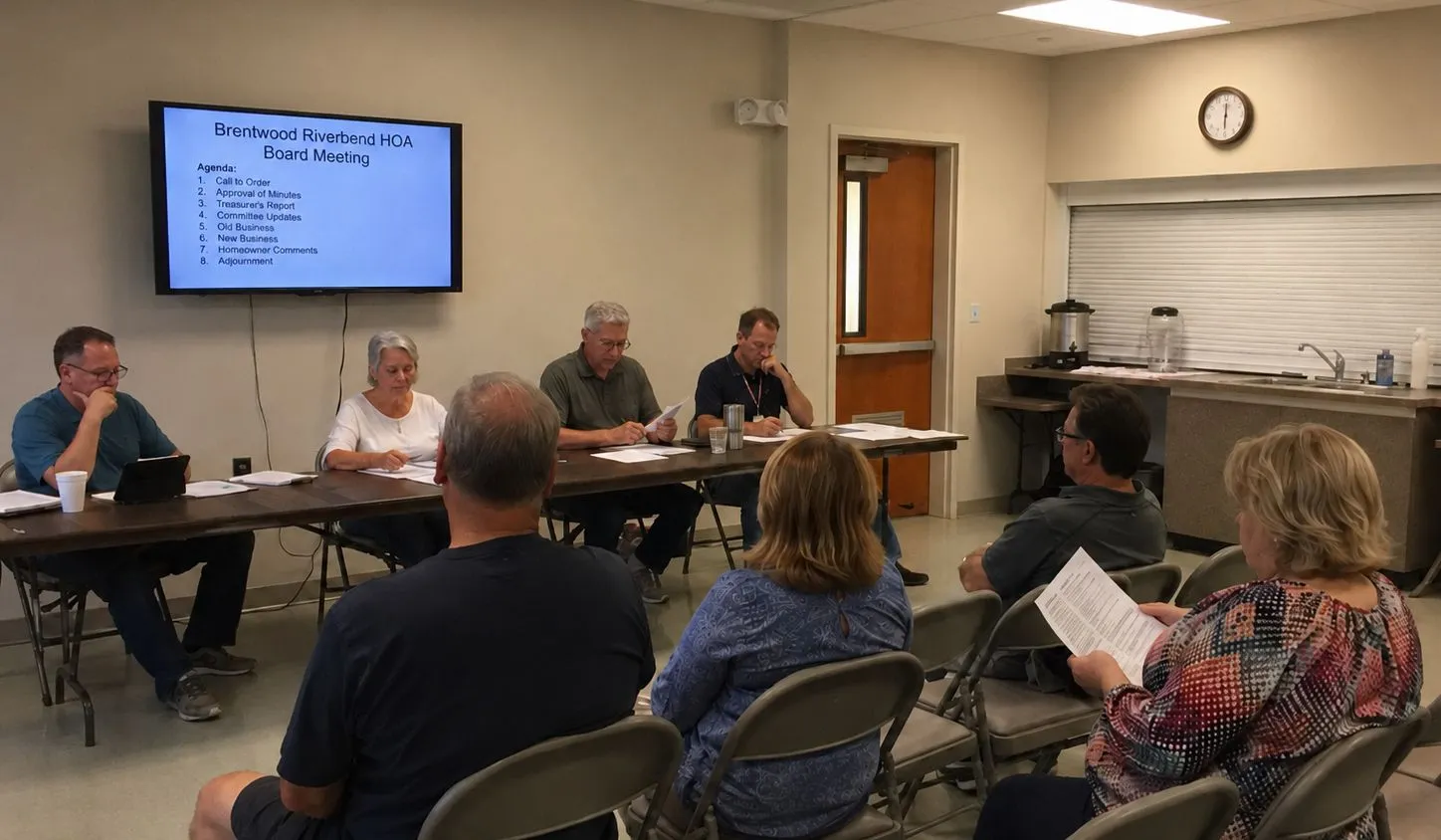
A metal roof can be an excellent upgrade for a Nashville home, but in many neighborhoods the hardest part is not choosing the panel, color, or installer. It is getting the roof approved before work begins.
That is especially true in Nashville neighborhoods with homeowners associations, neighborhood conservation overlays, historic preservation zoning overlays, or landmark status. A roof replacement that looks simple from the street can involve three separate layers of review: the private HOA or architectural review committee, Metro Historic Zoning, and Metro Codes or another local building department.
This guide explains how roof approval works in Nashville and Tennessee, what types of metal roofing are most likely to be approved, what documents homeowners should prepare, and how to avoid the common mistakes that delay or sink an application.
In Nashville, a metal roof may need approval from more than one authority. An HOA approval does not replace a Metro permit. A Metro building permit does not replace a preservation permit. A preservation permit does not override private restrictive covenants.
For homes inside a Nashville historic or neighborhood conservation overlay, the Metro Historic Zoning Commission applies district-specific design guidelines when reviewing exterior work. Metro’s own metal roofing guidance treats rolled standing seam as the most historically appropriate option, allows certain lower-profile metal roof types in appropriate settings, and identifies tall-seam snap-lock profiles and metal roofing made to imitate wood, slate, or tile as unapproved in its metal roofing supplement.
For homes inside an HOA, the approval question is controlled mainly by the recorded covenants, architectural guidelines, and review procedures for that community. Tennessee courts generally recognize restrictive covenants requiring architectural approval as enforceable when the association or committee acts reasonably and in good faith.
The safest path is to treat the roof as an architectural submittal, not just a construction project. Submit the roof profile, seam height, panel width, finish, color sample, manufacturer data, photos, and a written explanation showing why the proposed roof fits the home and neighborhood.
Nashville has many roof-sensitive neighborhoods. East Nashville, Germantown, Lockeland Springs, Belmont-Hillsboro, Waverly-Belmont, Richland-West End, Edgefield, Salemtown, Hillsboro-West End, Inglewood, Cherokee Park, Woodlawn West, and other older neighborhoods include homes where the roof is a major part of the architectural character.
That does not mean metal roofing is automatically prohibited. In fact, metal roofing has a long history in Tennessee. Many older homes, porches, outbuildings, farmhouses, and commercial buildings used standing seam or 5-V metal roofing long before modern asphalt shingles became the default suburban roofing material.
The issue is compatibility. A metal roof that is appropriate for a farmhouse, carriage house, or historic cottage may not be appropriate in the same form on every roof plane of every house. The review body will usually care about the roof’s visibility from the street, seam height, panel rhythm, sheen, color, roof form, fastener visibility, and whether the product creates a false historic appearance.
Most Nashville roof projects fall into one of four categories.
The first is a normal roof replacement with no HOA and no historic overlay. The homeowner may still need to comply with Metro Codes and building permit rules, but there is no private architectural committee or preservation review.
The second is an HOA-controlled home outside historic zoning. This is common in planned communities around Nashville, Brentwood, Franklin, Hendersonville, Mount Juliet, Nolensville, Spring Hill, Murfreesboro, Gallatin, and other Middle Tennessee suburbs. Approval is usually handled through an Architectural Review Committee, Architectural Control Committee, or board.
The third is a home inside a Nashville historic preservation zoning overlay or neighborhood conservation zoning overlay. In that case, the Metro Historic Zoning Commission may need to review the project before the roof is installed. Metro explains that the applicable design guidelines depend on the type of overlay and the specific district, and it directs property owners to use Parcel Viewer or the Historic Zoning Lookup when they are unsure.
The fourth is the complicated case: an HOA-controlled home that is also inside historic zoning. In that situation, the homeowner may need both approvals. The approvals should be coordinated, but they are not interchangeable.
An HOA is not a city department. It is a private association with authority that comes from recorded covenants, conditions, restrictions, bylaws, rules, and architectural standards. Those documents are usually recorded with the county register of deeds and are also provided during the purchase process.
In Tennessee, courts do not treat every restriction lightly, but they do recognize that architectural approval covenants can be enforceable. A Tennessee Court of Appeals decision involving an HOA architectural review committee stated that restrictive covenants conditioning improvements on HOA or architectural committee approval are generally valid and enforceable when administered reasonably and in good faith.
For a roof project, this means the homeowner should not rely on a verbal “it should be fine” from a neighbor, board member, real estate agent, or contractor. The written approval matters.
Most HOA roof reviews focus on visual consistency. Common review items include roof material, color, profile, reflectivity, texture, pitch, roof accessories, gutters, drip edge, solar attachments, skylights, and whether the roof will match or clash with surrounding homes.
Metal roofing can trigger concern because many older covenants were written when “metal roof” meant agricultural panels, exposed fasteners, shiny galvanized sheets, or corrugated barn roofing. Modern residential metal roofs include standing seam, 5-V, stone-coated products, stamped metal shingles, and low-profile systems, but an HOA may not understand those distinctions unless the submittal explains them clearly.
A good HOA submittal should be specific. Do not simply ask for “a metal roof.” That phrase is too broad and may raise unnecessary objections. Instead, describe the system in architectural language.
A strong submittal might say:
“Request for approval to replace the existing asphalt shingle roof with a matte-finish, concealed-fastener standing seam metal roof system in dark bronze. Panels will be installed over solid decking with manufacturer-approved clips and underlayment. The proposed roof has a low-gloss finish and a residential profile intended to complement the home’s existing architecture.”
The packet should include:
Product name and manufacturer
Panel profile and seam height
Panel width
Material, gauge, and coating system
Color chip or physical sample
Finish type, especially whether it is matte or low-gloss
Photos of the existing home
Photos of similar homes with the proposed roof type
A drawing or roof plan if the roof form is complex
Installer license and insurance information if requested
Manufacturer specifications and test data if the HOA asks for performance documentation
The more the submittal looks like an architectural package, the less it feels like a gamble to the committee.
The most common HOA objection is appearance. The answer is to show comparable homes, physical samples, and a restrained color. In Middle Tennessee, charcoal, matte black, dark bronze, weathered zinc, medium bronze, and deep gray often read as more residential and less industrial than bright or high-gloss finishes.
The second objection is noise. Modern metal roofs installed over solid decking, underlayment, and attic insulation are not the same as an exposed barn panel installed over open framing. For HOA purposes, the important point is not to overpromise silence, but to explain that residential metal roofs are installed as a roof assembly over a deck, not as a loose sheet of metal.
The third objection is glare. A low-gloss or matte paint system is often the best answer. Avoid bright bare Galvalume or highly reflective finishes when the roof is visible from nearby homes.
The fourth objection is compatibility with the neighborhood. This is where profile matters. Concealed-fastener standing seam or 5-V roofing may be easier to justify on certain homes than exposed-fastener agricultural panels. In some suburban HOAs, stamped metal shingles may pass more easily because they preserve the scale of shingle courses. In Nashville historic review, however, imitation products can be a problem, so HOA strategy and historic strategy may differ.
Metro’s Historic Zoning Commission reviews work in designated historic overlay districts and applies design guidelines to preservation permit applications. The Commission’s function includes adopting design guidelines and applying them when reviewing preservation permits.
Metro lists multiple categories of historic review, including Neighborhood Conservation Zoning Overlays, Historic Preservation Zoning Overlays, and Historic Landmark guidelines. It also provides district-specific guidelines and design review supplements, including a metal roofing supplement.
This matters because two homes in Nashville can have different roof rules even if they are both “historic.” A home in a neighborhood conservation overlay may be reviewed differently from a landmark, a downtown commercial property, or a home in a preservation overlay.
Metro’s metal roofing supplement is the best starting point. It identifies rolled standing seam as the most historically appropriate metal roofing type. The supplement describes rolled standing seam as a concealed-fastener system with lapped edges that are mechanically crimped after the panels are fastened.
The same supplement identifies low-profile snap-lock and 5-V as appropriate in all districts, describes ribbed metal as appropriate for roof planes not visible from a public right-of-way or for an outbuilding, and describes corrugated metal as appropriate for outbuildings. It also identifies tall-seam snap-lock standing seam and metal that looks like another material, such as wood, slate, or tile, as unapproved metal roofing.
That gives Nashville homeowners a practical hierarchy:
Best historic argument: rolled standing seam
Often viable: 5-V and low-profile snap-lock
Limited use: ribbed metal on non-visible roof planes or outbuildings
Outbuilding-oriented: corrugated metal
High-risk in historic review: tall seams, shiny finishes, and metal products made to imitate wood, slate, or tile
The Neighborhood Conservation Zoning Overlay general guidelines also list asphalt shingles, architectural shingles, slate, slate substitutes, and metal as appropriate roofing materials, while naming 5-V, low-profile snap-lock, and rolled standing seam as appropriate metal roofing types. The same guidelines identify corrugated metal, snap-lock standing seam with big seams, and metal made to look like traditional materials such as wood shingles, slate, or clay tile as inappropriate in that context.
In the general Neighborhood Conservation Zoning Overlay design guidelines, paint color and roof color are not reviewed, while the inherent color, texture, and dimensions of masonry are reviewed. The guidelines also recommend that multiple roof colors create a pattern, as seen historically, rather than a random speckled design.
That does not mean color is irrelevant. A bright, reflective, or unusual color can still create neighborhood resistance, HOA problems, or staff questions if it changes the character of the house. For a smoother approval, choose a roof color that looks natural on the home and does not call attention to itself from the street.
Metro tells applicants to contact Historic Zoning to confirm whether a project needs review. For projects pre-approved by the Commission and consistent with the design guidelines, Metro says permits generally issue within four days after a complete application and do not require full commission review. Larger or more complex projects are more likely to be scheduled for Commission review.
Roof replacement can fall into a gray area depending on the district, roof visibility, existing material, proposed material, and whether the work is repair, replacement in-kind, or a change in material. Because metal roofing changes the visible character of the roof, it is safer to confirm before ordering materials.
The process usually begins with confirming the property’s status. Use Metro’s Historic Zoning Lookup or Parcel Viewer, then check the district-specific guidelines. Metro’s design guideline page states that the applicable guidelines depend on overlay type and district.
The next step is contacting Metro Historic Zoning. Metro instructs applicants to contact the office to confirm whether review is needed and to ask general questions.
For projects that are unusual, large, or likely to raise design questions, a pre-application review is encouraged. Metro describes this process as a way for staff to give feedback before the formal application is submitted.
A complete application may include the application form, drawings or scope of work, photographs, manufacturer literature, samples, and any additional information requested. For rehabilitation work in historic preservation districts, Metro specifically lists plans or drawings, photographs of relevant facades, specifications, manufacturer literature, and samples as possible submittal items.
For projects requiring Commission review, Metro states that regularly scheduled meetings are generally held at 2 p.m. and that public notice is required for Commission-reviewed applications.
After approval, Metro issues a Preservation Permit. The Preservation Permit should be provided to the Building Department for the building permit process, and Metro warns that drawings submitted to the Building Department must match the preservation permit drawings.
Historic approval is not the same as a building permit. Metro’s preservation permit page states that most projects also require a building permit from Codes and that the building permit can be applied for concurrently with the Preservation Permit application.
Metro’s 2024 building code ordinance defines “normal maintenance repairs” to include repairs to an existing roof that do not exceed 33 percent of the roof area.
That definition is important for Nashville roofing projects. A minor repair may be treated differently from a full roof replacement, structural repair, deck replacement, or change in roof covering. A homeowner should not assume that a roof replacement avoids permitting just because it is “only roofing.”
The best order is usually:
First, determine whether the property is in a historic overlay.
Second, determine whether the HOA allows the proposed roof type.
Third, select a roof profile likely to satisfy both.
Fourth, submit to the HOA and Metro with consistent documents.
Fifth, do not order custom panels until the approval path is clear.
There is no universal rule that the HOA must approve before Metro or Metro must approve before the HOA. The practical issue is conflict. If the HOA wants a metal shingle that imitates slate but Metro Historic Zoning considers imitation metal roofing inappropriate, the homeowner may be stuck. If Metro prefers a rolled standing seam profile but the HOA rules allow only “architectural shingles,” the homeowner may need an HOA variance.
The best submittal strategy is to avoid forcing either reviewer to approve something outside its comfort zone.
A strong historic submittal should include the following:
A short written scope of work
Photos of all roof planes visible from the street
Photos of the existing roof material and condition
A roof plan showing which planes will receive metal roofing
Manufacturer cut sheet
Panel profile drawing
Seam height
Panel width
Fastener type, especially concealed versus exposed
Finish and color sample
Description of gutters, downspouts, snow guards, vents, and penetrations
Photos of similar historic Nashville or Tennessee homes with comparable metal roofs
Explanation of why the proposed roof type is compatible with the house style
The best explanation is architectural, not sales-focused. Instead of saying “metal lasts longer,” explain that the proposed profile is consistent with historic metal roofing forms, has a restrained seam height, uses concealed fasteners, and will preserve the visual character of the roof from the public right-of-way.
Avoid installing first and asking later. Retroactive approvals are stressful, and they give the reviewer fewer options.
Avoid using vague product names. “Standing seam” can mean a historically appropriate rolled seam, a low-profile snap-lock seam, or a tall modern commercial seam. The reviewer needs the actual profile.
Avoid submitting a glossy brochure with no roof-specific details. A color brochure is not enough.
Avoid assuming that “metal shingles” are easier everywhere. Metal shingles may help with some HOAs, but Nashville historic guidance specifically flags metal made to look like wood, slate, or tile as unapproved in the metal roofing supplement.
Avoid changing details after approval. If the approved plan says low-profile standing seam in a matte bronze finish, do not switch to a taller seam, brighter finish, wider panel, or different accessory package without checking whether a revision is required.
Sometimes, yes. Metal roofing is not automatically prohibited. Metro guidance identifies certain metal roof types, including rolled standing seam, low-profile snap-lock, and 5-V, as appropriate in the right context. The exact answer depends on the property, district, visibility, roof form, and proposed product.
No. “Standing seam” is a broad term. Metro’s supplement treats rolled standing seam as the most historically appropriate and low-profile snap-lock as appropriate in all districts, but tall-seam snap-lock standing seam is identified as unapproved.
The answer depends on the governing documents, Tennessee law, and how the rule is applied. Tennessee courts generally recognize architectural approval covenants as enforceable when the committee acts reasonably and in good faith, but disputes are fact-specific and should be reviewed by an attorney.
Not necessarily. HOA approval is private approval. It does not replace a building permit, preservation permit, or code requirement.
No. A preservation permit allows the work from the standpoint of Metro historic review. It does not eliminate private covenants.
A restrained, historically compatible standing seam profile is usually the strongest starting point. Rolled standing seam has the strongest historic argument under Metro’s metal roofing supplement.
In non-historic HOAs, the safest option is often a low-gloss, residential-looking product with samples and photos showing compatibility. Depending on the HOA, that may be standing seam, 5-V, or a metal shingle. The key is matching the governing documents and neighborhood aesthetic.
A metal roof in Nashville is not just a roofing decision. In many neighborhoods, it is an architectural approval project. The right profile, documentation, and approval sequence can make the difference between a smooth installation and a costly delay.
For historic Nashville homes, the most important question is not simply whether the roof is metal. It is whether the roof profile, seam height, visibility, finish, and detailing fit the home and district. For HOA homes, the most important question is whether the submittal gives the committee enough confidence to say yes.
The best metal roof approval package is clear, specific, and respectful of the neighborhood’s architectural rules. If you're weighing profiles, our standing seam page covers the options in detail, or contact us for help choosing an approvable profile.

Considering a metal roof for your rental property? Learn the pros, cons, and whether it's the right investment for you
If you’re looking for a durable, energy-efficient roofing solution that can withstand the demands of Middle Tennessee’s climate, a metal roof is the best choice
What reclaimed metal roofing means in Nashville: recreated reclaimed steel vs authentic salvaged barn metal, cost, lifespan, best uses, and rust appearance.