Metal Roofing Alliance Member
TVA Preferred Partners Network
10,000+ Metal Roof Jobs
Nashville, TN
Licensed & Insured
BBB A+

Open 8am–8pm
(615) 649-5002Schedule Your
Appointment
Appointment
✦ Reviewed by The Metal Roofers Technical Team
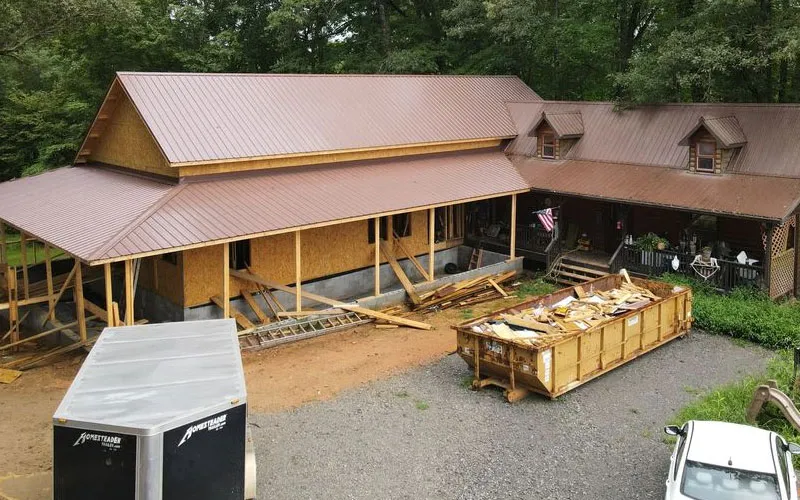
Yes, a metal roof usually makes sense on a rental you plan to hold, because it can last 50 to 75 years while asphalt lasts 15 to 25 in Tennessee. For most landlords, one question shapes every decision on a rental property: will this make or cost me money in the long run? Aesthetics matter, tenant satisfaction matters, but the dominant question is usually about ROI. That's why the roof is such a recurring headache: it's a big-ticket item that comes up at the worst times, and the cheapest option upfront often turns out to be the most expensive over time.
If you own rental property in Middle Tennessee, here's an honest case for why metal roofing makes more financial sense than asphalt for most rental situations.
Metal roofing is exactly what it sounds like: roofing made from tin, zinc, aluminum, copper, galvanized steel, or composite metals. Modern metal roofing isn't the corrugated barn panels you may be picturing. Today's systems include standing seam, metal shingles that mimic traditional roofing styles, and panel designs that work on every type of home from modern to historic.
The reason metal has been gaining ground on asphalt shingles isn't aesthetics. It's the long-term economics.
Asphalt shingles last 15 to 25 years in Tennessee's climate. In the time you own a typical rental, you'd likely replace the roof at least once, possibly twice if you're a long-term holder. A metal roof can last 50 to 75+ years, often outlasting the time you own the property. For landlords playing the long game, that's one of the most significant maintenance items removed from your future budget.
The upfront cost of metal is higher than asphalt. But once you account for replacement cycles, the math reverses. Asphalt at $3 to $7 per square foot installed needs to be replaced every 15 to 25 years. Metal at $7 to $14 per square foot lasts 50 to 75 years. Across the lifespan of one metal roof, you'd have installed asphalt 2 to 3 times, plus paid for tear-off and disposal each time.
Add the insurance premium savings, energy efficiency, and reduced maintenance, and metal usually comes out cheaper over a 30-year window, sometimes significantly cheaper.
Metal roofing is resistant to rot, termites, fire, mold, and biological growth. Quality metal panels carry wind warranties up to 140 mph. The metallic and polymer coating systems prevent rust for the lifetime of the roof. Unlike asphalt, metal doesn't lose granules, curl, blow off in storms, or grow algae streaks.
For a landlord, this means dramatically fewer maintenance calls, fewer emergency repairs, and fewer turnover-disrupting roof issues. Insurance companies recognize this too, which is why metal-roof homes typically qualify for lower premiums.
Two myths about metal roofing both turn out to be wrong:
Metal roofs reflect solar heat rather than absorbing it, which can cut cooling costs by 10 to 25%. For a rental, this matters two ways: tenants are happier with manageable utility bills, and if utilities are included in the rent, you keep more of the rent. Asphalt shingles, by contrast, absorb heat and can hit 160 degrees on a hot day, radiating that heat into the attic and the unit below.
A metal roof can typically be installed in under a week, while a full asphalt replacement on the same home might take two to three weeks plus tear-off and disposal. For a landlord, less disruption means less vacancy and less tenant friction.
And when you do eventually sell the property, most quality metal roof warranties are transferable, a real value-add when listing.
For rental owners the choice comes down to cash flow versus long-term ROI, and metal wins on any property you plan to hold for the long run. If you need the lowest possible upfront cost and you plan to sell within a few years, asphalt may make sense. For any rental you plan to hold long-term, metal almost always wins on total cost of ownership, maintenance reduction, and tenant satisfaction.
If you own a rental in Middle Tennessee and want an honest read on whether metal makes sense for your specific property, give us a call. Free inspection, straight numbers, no pressure. See our Nashville metal roof pricing guide, the benefits of a metal roof, or contact us online.

What reclaimed metal roofing means in Nashville: recreated reclaimed steel vs authentic salvaged barn metal, cost, lifespan, best uses, and rust appearance.
Not sure if it’s time to replace your roof? Learn the top signs that your Nashville home could benefit from a metal roof upgrade.
Thinking about a metal roof? This comprehensive guide covers everything you need to know about durability, cost, and benefits