Metal Roofing Alliance Member
TVA Preferred Partners Network
10,000+ Metal Roof Jobs
Nashville, TN
Licensed & Insured
BBB A+

Open 8am–8pm
(615) 649-5002Schedule Your
Appointment
Appointment
✦ Reviewed by The Metal Roofers Technical Team
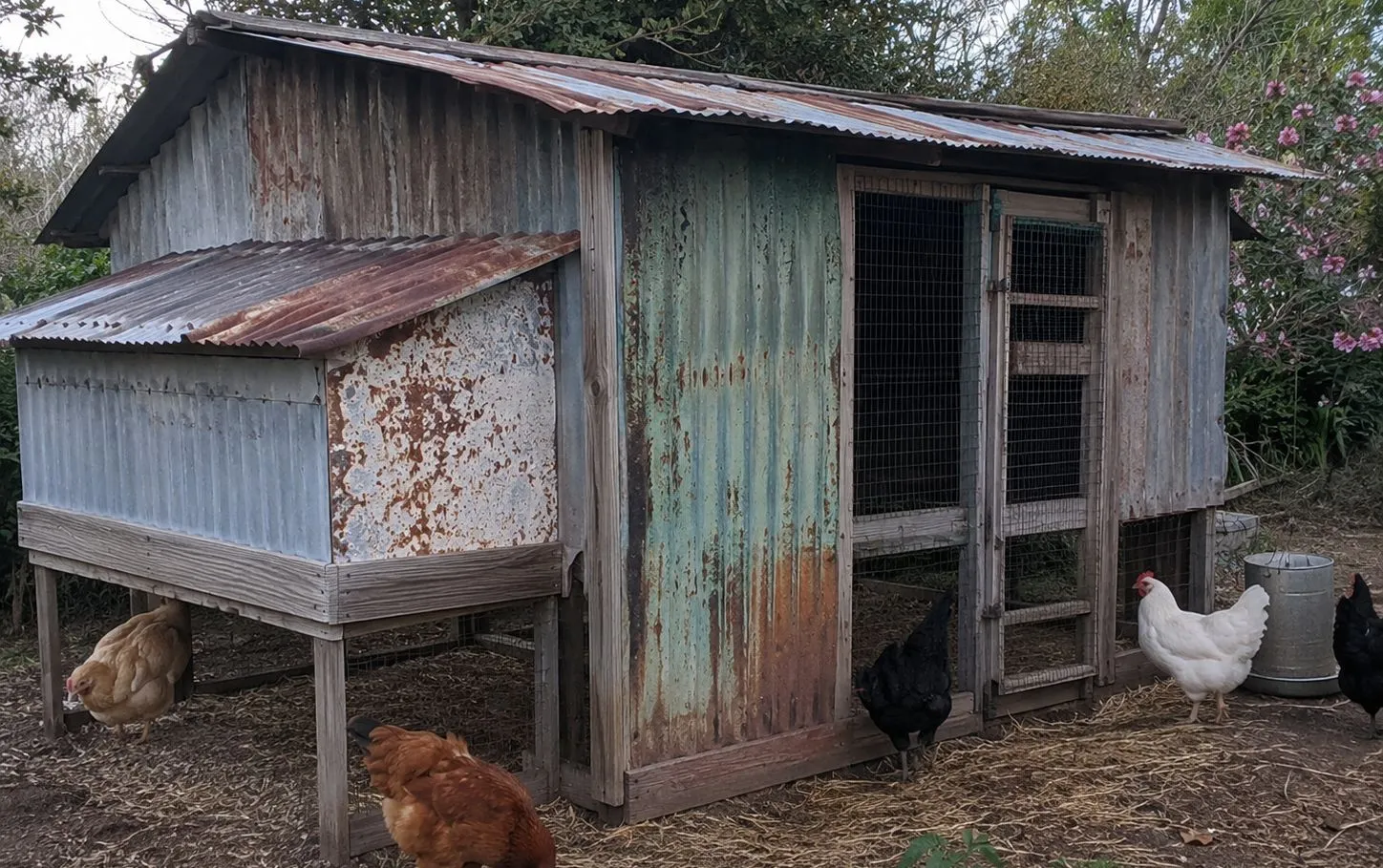
Reclaimed metal roofing is one of the most distinctive metal roof styles in Middle Tennessee. It has the silver, gray, brown, orange, and weathered-rust character of old barn metal, but the term can mean two very different things.
Sometimes “reclaimed metal” means new steel with a factory-applied weathered finish. This is the practical option for full roofs because it gives the look of aged barn metal while still performing like a modern roof system.
Other times, “reclaimed metal” means real salvaged corrugated metal removed from old barns, sheds, agricultural buildings, or rural structures. This is the authentic option. It has real age, real nail holes, real oxidation, and real irregularity. It can be beautiful, but it is usually better for accents than for a full primary roof.
The difference matters. A recreated reclaimed roof and an authentic salvaged metal accent may look similar from a distance, but they do not install, price, perform, age, or maintain the same way.
For Nashville, Franklin, Leiper’s Fork, Brentwood, Columbia, Murfreesboro, Springfield, Gallatin, and rural Middle Tennessee properties, reclaimed metal is popular because it fits the region’s visual language. It belongs on modern farmhouses, barndominiums, barns, porches, gables, cabins, restaurants, breweries, retail spaces, and homes where a brand-new roof might feel too clean for the architecture. The Metal Roofers describes reclaimed metal roofing as a weathered look tied closely to the modern farmhouse and barndominium movement, with strong appeal around Nashville because rural heritage and farmhouse design are part of the region’s identity.
Reclaimed metal roofing is metal roofing designed to look aged, weathered, rustic, or salvaged.
The Metal Roofers separates the category into two types. The first is recreated reclaimed metal, which is brand-new steel finished at the factory to imitate aged galvanized metal and rust. The second is authentic reclaimed metal, which is genuine antique metal salvaged from old barns and reused in a new project.
The easiest way to think about it is this:
Recreated reclaimed metal is a new roof with an old look.
Authentic reclaimed metal is old metal used again.
Both can be beautiful. They simply belong in different places.
Nashville sits between urban design and rural memory. A home in 12 South may want a porch detail that feels historic. A barndominium outside Franklin may need a roof that looks like it has always belonged on the land. A brewery in East Nashville may want interior wall metal with real age and texture. A rural property in Robertson, Cheatham, Maury, or Rutherford County may look more natural with a weathered roof than with a glossy new panel.
That is the appeal of reclaimed metal. It softens the look of new construction. It gives a building instant age. It adds texture without feeling artificial. It can make a new farmhouse feel settled, or a commercial space feel warmer and more local.
The Metal Roofers describes the reclaimed look as especially fitting for Middle Tennessee farmhouses, barns, rural properties, Williamson County estates, Leiper’s Fork, Franklin, and commercial spaces like breweries, restaurants, and retail interiors that want a sense of heritage.
Recreated reclaimed metal is usually the right choice when the homeowner wants the weathered barn look across an entire roof.
This material starts as new steel. The weathered appearance is applied at the factory in layered tones that imitate aged galvanized metal, oxidation, and rust streaking. Then the finish is sealed. That means the roof looks weathered, but it is not actively rusting away.
This is the most important point in the whole article: the rust look is not the same thing as live rust.
The Metal Roofers explains that recreated reclaimed metal uses a factory finish over new steel, sealed under a protective top coat. Because the rust appearance is sealed paint rather than active corrosion, it does not spread, bleed onto siding, or eat through the panel.
That makes recreated reclaimed metal appropriate for full roofs, larger roof planes, barndominiums, barns, outbuildings, and residential projects where the homeowner wants a predictable roof system.
Authentic reclaimed metal is real salvaged metal. It may come from old barns or agricultural buildings, and every sheet carries its own history. One piece may be mostly silver galvanized. Another may be half rust. Another may be deeply oxidized. Some pieces have nail holes, dents, bends, lap marks, weathered edges, or old fastener patterns.
That is what makes it valuable. It is not trying to look old. It is old.
But that same authenticity creates practical limits. Salvaged metal usually comes in random lengths. It may have old penetrations. It may not be flat. It may have areas where previous overlaps weathered differently. It may need to be cleaned, sorted, sealed, and installed over a proper assembly.
The Metal Roofers recommends authentic salvaged metal mostly for accents, features, ceilings, walls, and small structures rather than full primary roofs because antique sheets can be irregular, limited in supply, and harder to turn into a predictable watertight roof system.
For Nashville homeowners, authentic salvage is usually best used where people can see it up close: a porch ceiling, gable ceiling, accent wall, wainscot, cupola, awning, small cabin, shed, or feature wall.
The answer depends on which kind you choose.
Recreated reclaimed metal is not actively rusting. It has a printed or coated rust appearance sealed into the finish. The appearance is designed to stay within a controlled range over time. It should not bleed orange stains onto siding, concrete, masonry, or landscaping the way real rusted metal can.
Authentic reclaimed metal may have real rust. That rust is part of the material’s character, but it may also need to be stabilized. The Metal Roofers notes that authentic salvaged metal can be cleaned and sealed on request to slow further rusting, reduce flaking, and make the material easier to live with, especially on overhead applications such as porch and gable ceilings.
This is why the word “reclaimed” is not specific enough by itself. A homeowner should always ask whether the roof is recreated weathered steel or genuine salvaged metal.
For most full roofs in Nashville and Middle Tennessee, the better answer is recreated reclaimed metal.
A full roof needs more than character. It needs consistent panel length, predictable gauge, controlled finish, proper underlayment, correct trim, matching flashings, pipe boots, ridge details, eave details, valleys, fasteners, and a warranty structure. Recreated reclaimed metal provides the weathered appearance while keeping the roof in the category of modern metal roofing.
Authentic salvage can be used on small structures or protected features, but using it across a large primary roof creates problems. The material may not match. The sheet lengths may be random. Old nail holes must be managed. Rust may continue. Existing bends and lap marks may make watertight detailing harder. The Metal Roofers states that recreated reclaimed metal is built for full roofs and large areas, while authentic reclaimed metal is best for accents, features, and small structures.
That does not make authentic salvage inferior. It just makes it more specialized.
Reclaimed metal works best when it matches the architecture. It should feel intentional, not random.
On a barndominium, a recreated reclaimed roof can make the entire structure feel more rooted in the land. On a modern farmhouse, it can soften bright siding, wood brackets, and large simple roof planes. On a rural outbuilding, it can look more natural than a clean industrial panel. On a restaurant or brewery, authentic salvaged metal can make interior walls and bar fronts feel warm, aged, and local.
The Metal Roofers identifies barndominiums, farmhouses, porch and gable ceilings, accent walls, wainscot, breweries, restaurants, retail spaces, cabins, cupolas, awnings, barns, sheds, and outbuildings as strong reclaimed-metal applications in Middle Tennessee.
The key is scale. Recreated reclaimed metal handles scale well. Authentic salvage shines in smaller, high-touch areas.
Reclaimed metal is not one profile. The weathered look can be applied to several types of metal roof panels.
Standing seam is the premium version. It gives the reclaimed finish a cleaner, more architectural look with concealed fasteners and vertical seams. The Metal Roofers describes reclaimed standing seam as a 24-gauge concealed-fastener option and the longest-lasting reclaimed profile they install.
Wave panel is the most barn-like version. It has the corrugated shape people associate with old agricultural metal. The Metal Roofers describes wave panel as the most authentic match for a true barn look, with a corrugated shape that helps visually manage oil canning on long runs.
Classic Tennessee Panel is the value-minded exposed-fastener version. It is best for barns, workshops, garages, outbuildings, and simpler structures where the budget and rustic look matter more than concealed-fastener detailing. The Metal Roofers describes this exposed-fastener profile as a straightforward path into a reclaimed metal roof and notes that they install it in 26-gauge as their standard recommendation.
Reclaimed metal pricing depends on whether the homeowner chooses recreated reclaimed steel or authentic salvaged metal.
The recreated finish is priced in line with a standard painted metal roof of the same profile, usually a little above standard ranges. Authentic salvaged metal is priced per project because sourcing, sorting, cleaning, sealing, and preparation vary from batch to batch. The Metal Roofers lists standard painted standing seam pricing at $1,100–$1,900 per roofing square installed and exposed-fastener reclaimed-profile pricing at $800–$950 per roofing square installed, with recreated reclaimed finishes usually running somewhat above those standard profile ranges.
A roofing square is 100 square feet of roof surface. That means a standard-profile standing seam reclaimed-look roof starts from a different baseline than a Classic Tennessee Panel or Wave Panel roof. The roof size, roof pitch, access, dormers, valleys, skylights, chimneys, tear-off, decking, and trim details all affect the final price.
For authentic salvaged metal, the cost is less predictable because the material must be found, sorted, prepared, and sometimes sealed. The Metal Roofers prices authentic salvage per project rather than as a fixed universal roof number.
A recreated reclaimed metal roof lasts about as long as the metal roof system underneath it. The finish creates the look. The profile, gauge, underlayment, flashing, fasteners, ventilation, and workmanship determine the roof’s real service life.
The Metal Roofers states that a recreated reclaimed metal roof typically lasts 40 to 70 years depending on profile and installation quality, with standing seam often lasting 50 years or more because its fasteners are concealed.
Authentic salvaged metal is different. Its remaining life depends on the condition of the sheets, the amount of corrosion, whether it is sealed, where it is installed, and whether it is being used as a roof surface or a protected accent. This is another reason authentic salvage is usually better as a feature than as the main roof covering.
Recreated reclaimed metal needs about the same maintenance as a normal metal roof of the same profile. The finish is sealed, so there is no routine need to treat active rust. The normal maintenance is practical: keep valleys clear, clean gutters, inspect flashings, check sealant at penetrations, and inspect exposed fasteners if the roof uses an exposed-fastener profile.
Authentic salvaged metal may need more attention, especially if the homeowner wants to stabilize the rust or reduce flaking. The Metal Roofers notes that authentic salvaged accents can be resealed over time if the owner wants to keep the surface stable.
Reclaimed metal appeals to many homeowners because it feels resource-conscious. Authentic salvage gives old material a second life instead of sending it to a landfill. More broadly, the EPA says recovering used construction and demolition materials for reuse is a way to save money while protecting natural resources.
That said, reuse still needs good judgment. Not every old sheet of metal is safe, suitable, or durable enough for a new application. The material should be inspected for corrosion, old coatings, sharp edges, holes, structural condition, and possible contaminants.
Authentic salvaged metal has character because it has already lived a life. That also means it may come with unknown coatings, old paint, rust, dirt, fastener holes, sharp edges, and residue from its first use.
Lead is one safety issue to consider when old painted materials are being disturbed. EPA’s renovation guidance says paid contractors who disturb paint in pre-1978 housing and child-occupied facilities generally must be certified and use lead-safe work practices. Tennessee’s Lead Renovation, Repair and Painting program also applies requirements to firms and individuals performing compensated renovation, repair, and painting activities in target housing and child-occupied facilities built before 1978.
Not every piece of old barn metal is a lead-painted residential surface, but the broader rule is clear: old coatings should not be treated casually. If the metal has paint, unknown coating, or dust that will be scraped, cut, sanded, or disturbed, the project should be handled carefully.
Maybe, but it depends on the neighborhood and the roof visibility.
A reclaimed metal roof has a bold look. It reads naturally on farmhouses, rural homes, barndominiums, barns, sheds, and rustic commercial spaces. In a strict HOA subdivision, the same finish may be treated as unusual. The Metal Roofers notes that HOA neighborhoods and historic overlays often treat rust-toned roofs as review items, so samples, profile details, and finish information should be provided before installation.
In some HOA settings, reclaimed metal may work better on a rear roof plane, garage, outbuilding, porch ceiling, gable feature, or accent wall rather than the main front roof.
Reclaimed metal can be a complicated historic-review topic.
Real salvaged metal may feel historically authentic, but that does not automatically make it appropriate for every historic home. Review boards often care about visibility, roof profile, sheen, material, consistency, and whether the proposed roof fits the period and character of the building. Metro Nashville’s Historic Zoning page tells property owners to contact the Metro Historic Zoning Commission to confirm whether a project needs review before work begins.
For historic Nashville neighborhoods, reclaimed metal may be easier to use on accessory structures or accents than on a primary street-facing roof. Standing seam or another historically compatible profile may be more appropriate for some homes.
The terms are often confused, but they are not the same.
Recreated reclaimed metal has the look of rust, but it is not live rust. It is a sealed finish over new metal.
Authentic reclaimed metal may have real rust, and that rust may need to be cleaned, sealed, or stabilized depending on where it is used.
Rusted metal that is actively corroding is not automatically good roofing. A roof has to keep water out. If rust is eating through the panel, weakening fastener holes, staining surfaces below, or making seams unreliable, the material may be better as decoration than as roofing.
For a full primary roof, recreated reclaimed standing seam, Wave Panel, or Classic Tennessee Panel usually makes the most sense.
For accents, authentic salvaged metal becomes more compelling. Porch ceilings, gable ceilings, accent walls, wainscot, cupolas, awnings, small sheds, and commercial interiors are places where real age can be enjoyed without asking antique metal to perform like a new roof assembly.
Many of the best projects use both. A recreated reclaimed roof gives the building a cohesive weathered exterior, while authentic salvaged metal adds real age in the places people see up close. The Metal Roofers describes this combination as a strong approach because recreated roofing provides weather performance and warranty coverage while salvaged accents add genuine age and texture.
Not always. It can mean new steel with a factory weathered finish, or it can mean genuine salvaged antique metal. The difference is important because new recreated steel is better for full roofs, while genuine salvage is usually better for accents and features.
No. The rust appearance is a sealed finish, not active corrosion. The Metal Roofers says the recreated finish does not continue rusting or stain surfaces below.
Sometimes, but it is usually not recommended for a full primary roof. Salvaged sheets have random lengths, old nail holes, irregular weathering, and limited supply. For full reclaimed-look roofs, recreated reclaimed steel is usually the better roof system.
Recreated reclaimed metal is priced similarly to a standard painted metal roof of the same profile, usually a little above standard ranges. Authentic salvage is priced per project because sourcing and preparation vary.
For a full farmhouse roof, recreated reclaimed Wave Panel or standing seam usually gives the best balance of appearance and performance. For a porch ceiling or gable accent, authentic salvaged corrugated metal may be the better visual choice.
Reclaimed metal roofing is not one product. It is a design direction with two very different paths.
Recreated reclaimed metal is the practical full-roof solution. It gives Nashville homeowners the weathered barn look while still behaving like a modern metal roof system.
Authentic reclaimed metal is the character material. It belongs where real age, irregularity, and provenance matter most: porch ceilings, gables, accent walls, wainscot, cupolas, awnings, small structures, and commercial interiors.
The best reclaimed metal projects do not force one material to do everything. They use recreated metal where performance matters and authentic salvage where character matters. To talk through samples, profiles, and pricing for your property, reach out for a free written estimate.

If you’re looking for a durable, energy-efficient roofing solution that can withstand the demands of Middle Tennessee’s climate, a metal roof is the best choice
Choosing a metal roof for your Nashville home? Discover the most popular styles and why homeowners love them
Thinking about a metal roof? Here are five quick facts about its durability, efficiency, and long-term benefits.