Metal Roofing Alliance Member
TVA Preferred Partners Network
10,000+ Metal Roof Jobs
Nashville, TN
Licensed & Insured
BBB A+

Open 8am–8pm
(615) 649-5002Schedule Your
Appointment
Appointment
✦ Reviewed by The Metal Roofers Technical Team
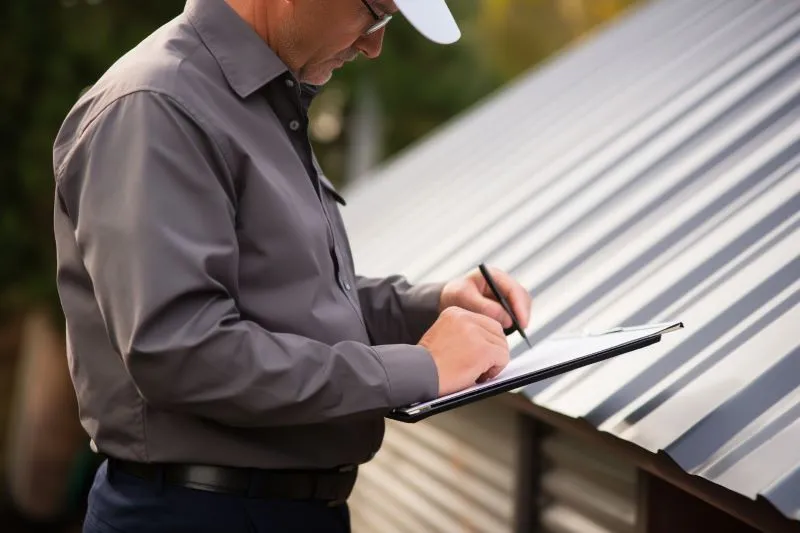
When you're shopping for homeowner's insurance, or trying to figure out why your premium just jumped, your roof plays a bigger role than most people realize. Insurance companies treat the roof as one of the highest-risk parts of a home, which means roof shape, roof material, and roof age all directly affect what you pay. Knowing how those factors work can help you make smarter decisions about replacements, materials, and even whether to file a claim at all.
The geometry of your roof matters more than most homeowners assume. Different shapes shed wind and water differently, and insurance companies price the risk accordingly.
A hip roof has slopes on all four sides, which gives it strong wind resistance. Insurance carriers typically reward this with lower premiums. If your roof is hipped, you're usually paying less than your neighbor with a gable.
The classic "upside-down V" gable is the most common residential shape in the U.S. It's also more vulnerable to wind because it has two large flat planes facing the wind. Expect a slight premium bump compared to hip.
Flat roofs collect water rather than shedding it, and ponding water creates leak risk. Insurance companies factor that in. Most residential flat roofs see higher premiums than pitched ones.
Material matters because insurance companies are pricing two things: how well the roof resists damage, and how long it lasts before it needs replacement.
Metal is generally the cheapest to insure. It's fire-resistant, wind-resistant, doesn't lose granules, and lasts 40 to 70 years depending on type. Many insurers offer specific discounts for impact-rated metal roofing systems.
Slate and clay tile are durable and beautiful but they can crack from hail or impact, and they're expensive to repair. Premiums sometimes run higher than metal despite the long life expectancy of the material itself.
The most common roof in America. Affordable to install but shorter-lived (15 to 25 years typically), and shingles lose granules over time, which insurers track. Premium impact varies based on shingle quality and age.
Some insurance carriers won't write a policy on wood shake at all, because of the fire risk. If they will, expect significantly higher premiums. Many homeowners with wood shake end up replacing it specifically for insurance reasons.
This is the factor most people overlook. Even with a great material and shape, an older roof costs more to insure, sometimes a lot more.
A roof under 10 years old typically gets the best rate. Between 10 and 15 years, you'll see a modest increase. Past 15 years, the increases become noticeable, and past 20 years, many carriers either require an inspection, offer only ACV coverage instead of RCV, or refuse to write the policy altogether.
This is why replacing an aging roof, even if it's not yet failing, often pays for itself over time through lower premiums and better coverage.
Yes, but only for damage caused by a covered peril: typically fire, hail, wind, fallen trees, or vandalism. What's NOT covered: damage from wear and tear, poor maintenance, neglected repairs, or improper installation. Confirm with your carrier that your policy covers the risks common in your area (in Middle Tennessee that means hail, wind, and tornadoes).
If you're due for a roof replacement, metal is almost always the cheapest to insure long-term. The upfront cost is higher than asphalt, but the combination of lower premiums, longer lifespan, and better damage resistance often makes it cheaper over 20 years.
Regular inspections (every two to three years), prompt repairs of minor issues, and keeping your gutters clean all matter. Some carriers offer discounts for documented maintenance.
Insurance companies often deny claims tied to DIY repairs or unlicensed work. Use licensed roofers and keep records of all work performed.
Make sure your policy reflects your actual replacement cost, not what you paid years ago, and includes coverage for the storm risks in your region.
Across nearly every variable insurance companies use to price roofs, metal comes out on top. It's wind-resistant, fire-resistant, lasts a half-century or more, and qualifies for discounts that asphalt can't match. If you're at the end of life on a current roof and weighing materials, the insurance math alone often tips the decision toward metal.
If you're in Middle Tennessee and want to know what a metal roof would cost on your home, and roughly what the insurance savings might look like, we'll do a free inspection and run honest numbers. Our team includes licensed insurance professionals who can walk you through the policy side too. You can also review metal roof pricing in Nashville, learn about our insurance process, or contact us to get started.

Yes, Tennessee insurance companies can offer discounts for metal roofs. Metal roofs can lower homeowners insurance by up to 35%.
Not sure if you should file a roof damage claim? Learn when it’s worth it, what to consider, and how it affects your insurance
Not sure if insurance will cover your new roof? Learn what’s typically covered, what’s not, and how to navigate your claim