Metal Roofing Alliance Member
TVA Preferred Partners Network
10,000+ Metal Roof Jobs
Nashville, TN
Licensed & Insured
BBB A+

Open 8am–8pm
(615) 649-5002Schedule Your
Appointment
Appointment
✦ Reviewed by The Metal Roofers Technical Team
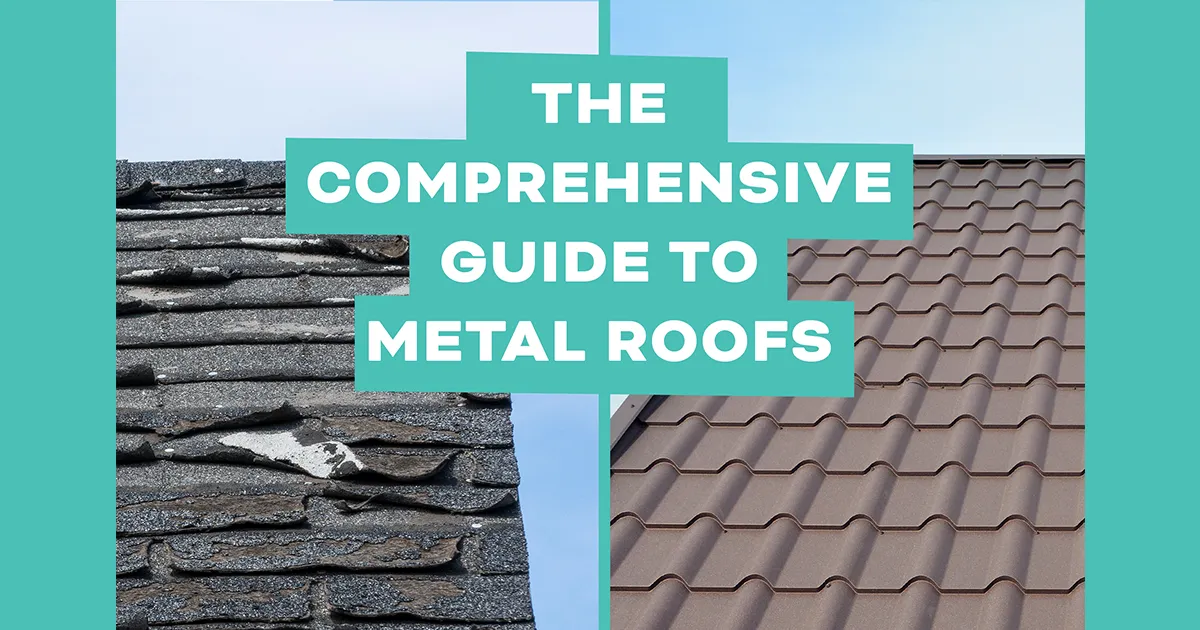
A metal roof can last 75+ years, lower insurance premiums, cut energy bills, and add real value, which is why metal is becoming the preferred roofing choice for homeowners. This guide walks through the actual benefits, the honest drawbacks, and what you should know before you make a decision.
The history runs deeper than most people realize. George Washington battled wood-shingle problems at Mount Vernon for years, while Thomas Jefferson chose tin metal shingles for Monticello and never looked back. Jefferson is quoted as saying: "I would advise you to cover with tin instead of shingles. It is the lightest, and most durable cover in the world." Two centuries later, the case for metal has only gotten stronger.
The biggest single benefit of metal is its lifespan. A properly installed metal roof can last 75+ years. Higher-end systems like field-locked standing seam and aluminum shingles can last generations. Premium materials like zinc and copper routinely outlast 100 years on European cathedrals and American historic buildings.
Metal is also extremely wind resistant. Many residential metal roofing systems carry wind ratings up to 140 mph, which means your roof doesn't need the periodic repairs that other materials demand after every storm.
Many insurance companies offer reduced premiums for homes with metal roofs because metal roofs sustain less damage from storms and fires. Insurance research shows fewer claims from metal-roof homes, which is why carriers consistently favor them. Combined with fire resistance and impact ratings, metal is one of the cheapest roofing materials to insure long-term.
At The Metal Roofers, we have a licensed insurance adjuster on staff to help homeowners through the claims process when storm damage does occur.
Metal roofs reflect solar heat instead of absorbing it like asphalt does. Energy Star-rated metal roofs can cut cooling costs by up to 50%. The surface of a metal roof typically runs 100 degrees cooler than an asphalt roof, and most metal systems carry infrared-blocking pigments that reflect 60 to 90% of solar radiation back into the atmosphere rather than into your attic.
The simplest comparison: think of the metal hood of a car parked in shade. It cools off in minutes once the sun goes down. Now think of asphalt pavement after a hot day. It holds heat for hours and continues radiating it into the air long after sunset. A dark asphalt shingle roof can hit 160 degrees on a sunny afternoon and keep pumping that heat into your attic well into the evening. Metal doesn't do that.
The single most common question we get from homeowners considering metal: "Won't it be loud in the rain?" The honest answer is no, not when it's installed correctly.
For reference, complete silence is 0 dBA, a whisper is 30, a normal conversation is 60, and hearing damage starts around 86. Light rain on asphalt shingles measures about 46 dBA. Light rain on a properly installed metal roof measures about 52 dBA. Most humans can't tell the difference between two sounds less than 8 decibels apart. With modern underlayment and proper attic insulation, the gap effectively disappears.
Metal roofs are the ideal surface for solar panel mounting. They're strong but lightweight, and the cooler surface temperature actually helps solar panels run more efficiently, since panel output drops when they overheat.
Installation is also cleaner. Solar mounting brackets clamp onto standing seam ribs without any drilling or penetrations into the roof itself. On an asphalt roof, the mounting hardware requires anchoring directly through the shingles, which often voids the roof warranty and creates leak risk at every penetration.
Metal roof ventilation matters more than most people realize. A well-ventilated attic under a metal roof keeps cooling costs down by venting excess heat. It also keeps moisture from building up, which prevents mold, mildew, and the structural rot they cause.
The ventilation system works by allowing warm air to rise out through ridge vents while cooler air flows in through eave or soffit vents, maintaining airflow balance. Built right, this gives you a roof that helps regulate indoor temperature and air quality year-round.
There's a persistent myth that metal roofs attract lightning. They don't. Lightning hits the highest point in an area regardless of material. What metal does do is give the strike a low-resistance path to discharge safely into the ground rather than through your home's wiring or framing. Metal roofs are non-combustible, which means a lightning strike doesn't start a fire. That's a meaningful safety advantage over wood or shingle materials.
Most metal roofing materials contain up to 95% recycled content depending on the type, and they're fully recyclable at end of life. Asphalt shingles, by contrast, are not recyclable and add roughly 20 billion pounds per year to U.S. landfills according to the EPA.
Modern metal roofing weighs significantly less than asphalt shingles, concrete tile, or slate. This makes installation faster and reduces structural load on the home, useful especially on older homes that weren't designed for heavier materials.
Modern metal roofs are protected by metallic and polymer coating layers that prevent rust, and the smooth surface gives moss and algae nothing to grip. You don't get the streaking, staining, and biological growth that asphalt roofs are prone to in humid climates like Middle Tennessee.
Asphalt shingles need maintenance, repairs, and full replacement every 5 to 20 years depending on the climate. A metal roof needs almost no maintenance and won't need replacement in your lifetime. Annual inspections are about it.
The 2020 Cost vs. Value report found that a metal roof returns up to 60% of its cost in resale value. Buyers actively look for low-maintenance, long-lasting roofing options, and a metal roof signals "no roof project for the next 50 years" to anyone evaluating the home.
The transferable warranties most metal roof systems carry are another selling point. You can pass that warranty to a new buyer, which is something asphalt rarely offers.
Metal roofing isn't limited to corrugated barn panels. Today's options include standing seam (the modern architectural look), metal shingles that mimic asphalt or slate, stamped metal that mimics tile or shake, and traditional ribbed panels. Colors run from black and bronze to muted greens, blues, and copper. Whatever your home's design, there's a metal roof to match.
Roofing materials are tested under ASTM E108 or UL 790 and classified Class A, B, or C based on fire resistance. Class A is the highest rating. Metal is non-combustible and qualifies for Class A in proper assemblies. As wildfire risk grows nationally, this matters more every year. Insurance companies prefer metal for exactly this reason.
Metal roofs handle hot humid summers, freezing winters, heavy rain, hail, and wind. They resist algae and rust, they don't curl or crack from UV exposure, and they don't lose granules over time. There's no climate where metal is the wrong choice.
The smooth surface of a metal roof lets snow slide off rather than accumulating. That reduces structural load and significantly cuts the risk of ice dams, which are the cause of many winter roof leaks on asphalt roofs.
Yes, metal costs more upfront than asphalt. But over a 50-year window, you replace an asphalt roof two to three times. Over the same window, you replace a metal roof zero times. Add the energy savings (up to 30% on cooling), the insurance discounts, and the higher resale value, and metal almost always comes out ahead financially.
Metal roofs cost more to install than asphalt, typically 2 to 3 times more depending on material. That higher initial cost is real. The long-term math usually favors metal, but you have to be able to absorb the upfront investment.
Metal expands and contracts with temperature changes. On a well-installed standing seam system, this is handled by floating clips and proper seam design. No issue. On a poorly installed system, it can lead to loose fasteners over time. The fix is choosing a contractor who installs metal correctly the first time.
Metal roofs are slippery in rain or after a frost. This matters for roof access. Never walk on a wet metal roof without proper safety gear. Reputable contractors plan for this in their installation and maintenance practices.
Metal roofing isn't a DIY project, and not every roofer installs it well. Standing seam in particular requires specific tools, training, and experience. Choosing a contractor who specializes in metal, not someone who just adds it to their shingle work, is the single biggest factor in how your roof performs over time.
Metal roofing comes in three system families: standing seam, Classic screw-down panels, and metal shingles, and the right one matches your home, slope, and priorities. Standing seam is the premium option. Classic screw-down panels are the value option with a distinctly Southern look. Metal shingles are the style-flexible option for traditional architecture. In Tennessee, the roof that performs best is the roof that matches the home, the slope, the detail complexity, and your priorities. Pick the wrong system and even a "good" metal roof can feel like a compromise. Pick the right one and metal roofing becomes one of the most satisfying upgrades you can make to a home.
Standing seam uses long panels that run vertically from eave to ridge. Each panel edge forms a raised seam that locks or folds together with the adjacent panel. The seam sits above the water path, which is one reason standing seam handles heavy rain and wind-driven water so well. Most systems use concealed clips or fasteners, so the surface stays clean and the attachment is protected from direct exposure. Our standing seam metal roofing page covers the full system in detail.
Tennessee is a roof-testing environment: big rain events, strong storms, long heat cycles, and constant expansion and contraction. Standing seam is engineered to handle those cycles better than most residential systems, and it is commonly designed so panels can move without stressing fasteners or tearing penetrations loose. A properly built standing seam system often becomes a 40 to 60 year roof and beyond, depending on material and detailing, with the best storm performance and the lowest long-run maintenance because you are not relying on rows of exposed fasteners across the roof field.
The drawbacks are cost and contractor dependence. Standing seam is usually the most expensive system upfront: materials, labor, trim, and flashing are all more exacting. It also has a steeper learning curve, so a crew that does not specialize in metal can install it in ways that look fine but create long-term problems at transitions.
Best use cases: homeowners planning to keep the house long-term, complex rooflines with valleys, dormers, chimneys, and roof-to-wall transitions, and projects where curb appeal is a key part of the investment. The biggest mistake homeowners make with standing seam is assuming every system is the same and taking the lowest bid. Seam height, panel width, clip choice, underlayment package, penetration details, and flashing scope determine whether the roof performs like a premium system. If a standing seam quote is unusually low, it is almost always missing something important.
Classic screw-down panels are the workhorse metal roof in the South, and one of the best value-per-dollar roofing options in Tennessee when installed correctly. The panels fasten through the face into the roof deck or purlins, with fasteners visible in consistent rows. That means the fastener is part of the weather system: the roof is only as good as the screw quality and the way those screws go in.
Our Classic profile has a wave-like structure that feels Southern and residential rather than flat and industrial, and we install it with ZAC Forever Screws because the screw is the component that must hold long-term, stay sealed, and resist loosening as materials cycle through Tennessee heat and cold.
On simpler rooflines, Classic panels deliver metal's biggest wins at a meaningfully lower cost than standing seam: durability, fast water shedding, fire resistance characteristics, and long service life. The trade-offs are real but manageable. Exposed fasteners should be inspected periodically over the life of the roof. Poor screw work, whether overdriven, underdriven, or crooked, shows up sooner than it should in our heat cycles. And very complex roofs can push Classic panels into a "too many details" zone where standing seam is the cleaner long-term choice.
Best use cases: simpler gables, ranch homes, porches, detached garages, workshops, and a huge range of traditional Tennessee homes. The biggest mistake is treating Classic panels like the "cheap metal roof" and hiring a corner-cutter. They are a value roof, not a cheap roof. With quality fasteners, correct closures at ridges and eaves, a correct valley build, and a full flashing rebuild at walls and chimneys, Classic panels become one of the best cost-to-performance options in the state.
Metal shingles are smaller interlocking pieces installed in courses, engineered to lock together and shed water like shingles while lasting like metal. Styles mimic shake, slate, tile, and dimensional shingles, which is why metal shingles can match almost any home. The profiles we install are covered on our metal shingles page.
This is the solution for homeowners who want metal performance but cannot get comfortable with the panel look: traditional architecture, brick facades, historic styling, or neighborhoods and HOAs where a standing seam roof reads too modern. Metal shingles typically outlast asphalt shingles because metal does not lose granules the way asphalt does.
The trade-offs: more pieces and more seams make them more labor intensive to install, pricing spans a wide range (some systems price near Classic panels while others approach standing seam), and the crew needs real experience with the specific metal shingle product, because not every crew that "does metal" has installed every shingle system.
All three categories can be made from different base metals. Steel is the most common because it delivers the best cost-to-strength ratio and relies on protective coatings and quality paint systems for long-term performance. Aluminum is lighter and naturally corrosion resistant; it often costs more but is a strong long-term performer, especially in humid environments. Copper is a luxury architectural metal that lasts an extremely long time and develops a natural patina. For most Tennessee homes, the system type is the primary decision. The metal choice comes second, and it usually becomes a budget and performance conversation.
If your top priority is maximum durability, longest lifespan, and the strongest storm performance, choose standing seam. If it is affordability with strong metal performance and a Southern residential look, choose Classic screw-down panels with upgraded fasteners and correct detailing. If it is style matching and traditional curb appeal with metal longevity, choose metal shingles.
In homeowner terms: if you plan to stay 15 to 30 years, want a premium look, and hate surprises, you match standing seam. If you want metal durability on a controlled budget with a roof that feels right for the South, you match Classic panels. If you love metal longevity but do not want a panel roof on a brick or classically styled home, you match metal shingles. And if your roof is complex, with dormers, valleys, multiple penetrations, and roof-to-wall transitions, standing seam usually wins because it supports the cleanest long-term detailing.
No matter which system you choose, four decision points determine whether the roof performs. The underlayment package has to be designed for Tennessee heat, not just the cheapest roll. The flashing scope has to rebuild chimneys, walls, valleys, and penetrations to match the metal system, because that is where most roof problems originate regardless of material. Fasteners and closures have to be quality components installed at the correct torque, with closures at ridges and eaves controlling wind-driven rain behavior. And the ventilation and moisture plan matters because metal roofs do not cause condensation, attics do. A roof replacement is the right moment to correct ventilation balance and protect long-term deck health.
A metal roof is a 50+ year decision that costs more upfront but wins on lifespan, durability, energy savings, insurance discounts, and resale value. For most homeowners in Middle Tennessee, the math works out clearly, and it works out even more clearly the longer you plan to stay in the home. Choose the system as deliberately as you choose the material: standing seam for maximum longevity, Classic panels for value, and metal shingles for traditional curb appeal.
If you're considering a metal roof, we'd be happy to walk through your specific situation. Free inspection, honest numbers, no pressure. Start with our benefits of a metal roof page, check current Nashville pricing, or contact us to schedule.

Heard myths about metal roofing? We’re setting the record straight by debunking common misconceptions and sharing the real facts
Choosing a metal roof for your Nashville home? Discover the most popular styles and why homeowners love them
Not sure if it’s time to replace your roof? Learn the top signs that your Nashville home could benefit from a metal roof upgrade.