Metal Roofing Alliance Member
TVA Preferred Partners Network
10,000+ Metal Roof Jobs
Nashville, TN
Licensed & Insured
BBB A+

Open 8am–8pm
(615) 649-5002Schedule Your
Appointment
Appointment
✦ Reviewed by The Metal Roofers Technical Team
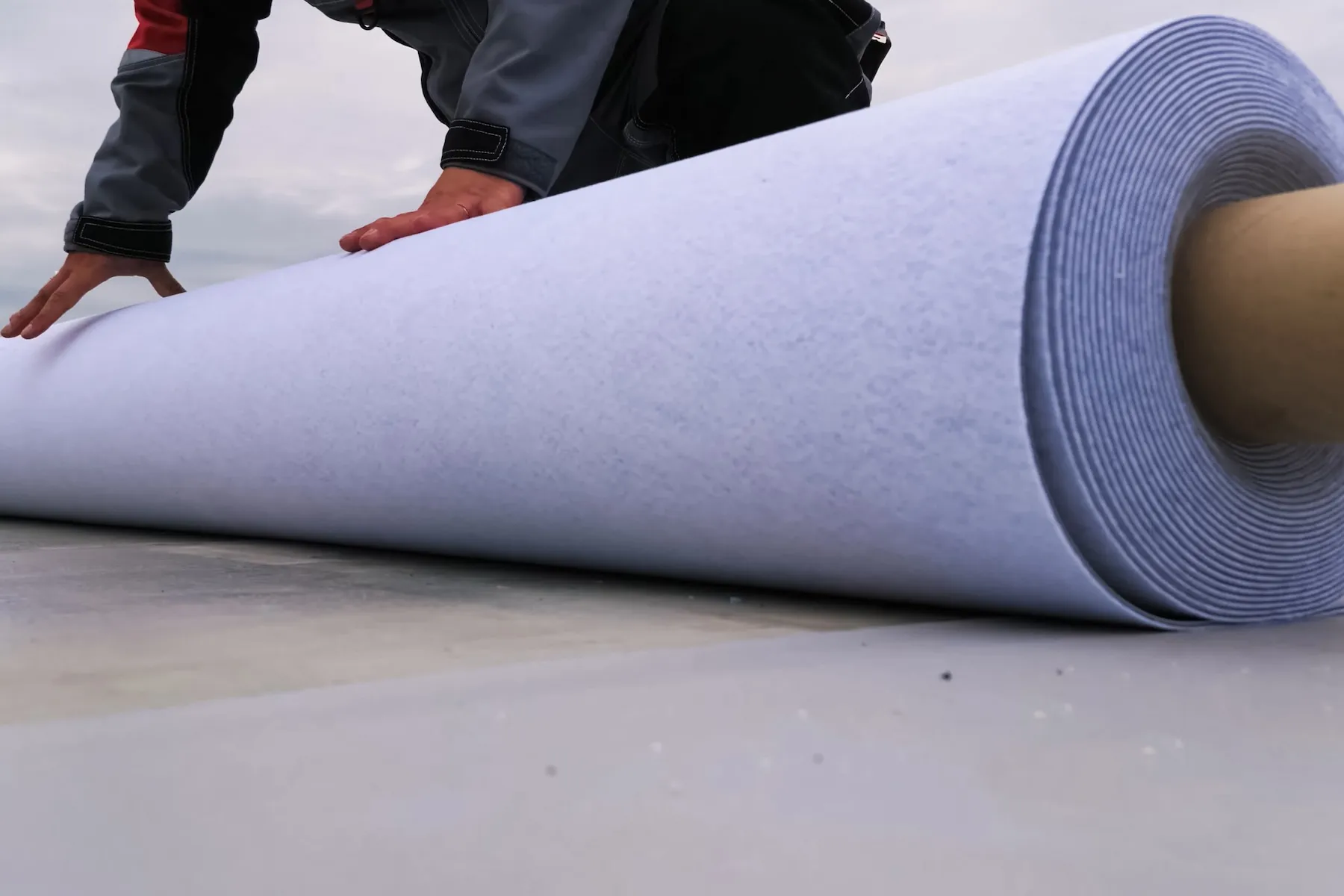
Underlayment is the protective barrier between the roof deck and the metal panels, and it plays a critical role in performance, energy efficiency, and longevity. Choosing the right type of underlayment can make all the difference in how well your roof holds up against the elements.
Felt underlayment, also known as tar paper, has been used for decades. It's typically made from a paper or fiberglass base saturated with asphalt. While affordable and effective in certain applications, felt comes with limitations:
Felt may be suitable for budget-conscious projects, but it's generally not the best match for the long life expectancy of metal roofing.
In recent years, synthetic underlayment has become the preferred option for metal roofing. Made from advanced polymers, it offers a range of advantages:
Because metal roofs can last 40 to 70 years, pairing them with a high-performance synthetic underlayment ensures the entire system works together for maximum protection.
The right underlayment matters because it helps prevent leaks, adds an extra layer of insulation, and gives peace of mind in severe weather. For homeowners investing in metal roofing, choosing synthetic underlayment is a smart way to protect that investment and extend the life of the roof system.
At The Metal Roofers, we don't just install metal roofs. We install complete systems designed to perform for decades. From the panels to the underlayment, every detail matters. Contact us today for a free inspection and estimate, and let's make sure your roof is built to last. You can also learn more about our standing seam metal roofing and how the full system comes together.

Installing a metal roof is a smart investment that provides durability, energy efficiency, and long-term value. Contact the Metal Roofers for a quote today!