Metal Roofing Alliance Member
TVA Preferred Partners Network
10,000+ Metal Roof Jobs
Nashville, TN
Licensed & Insured
BBB A+

Open 8am–8pm
(615) 649-5002Schedule Your
Appointment
Appointment
✦ Reviewed by The Metal Roofers Technical Team
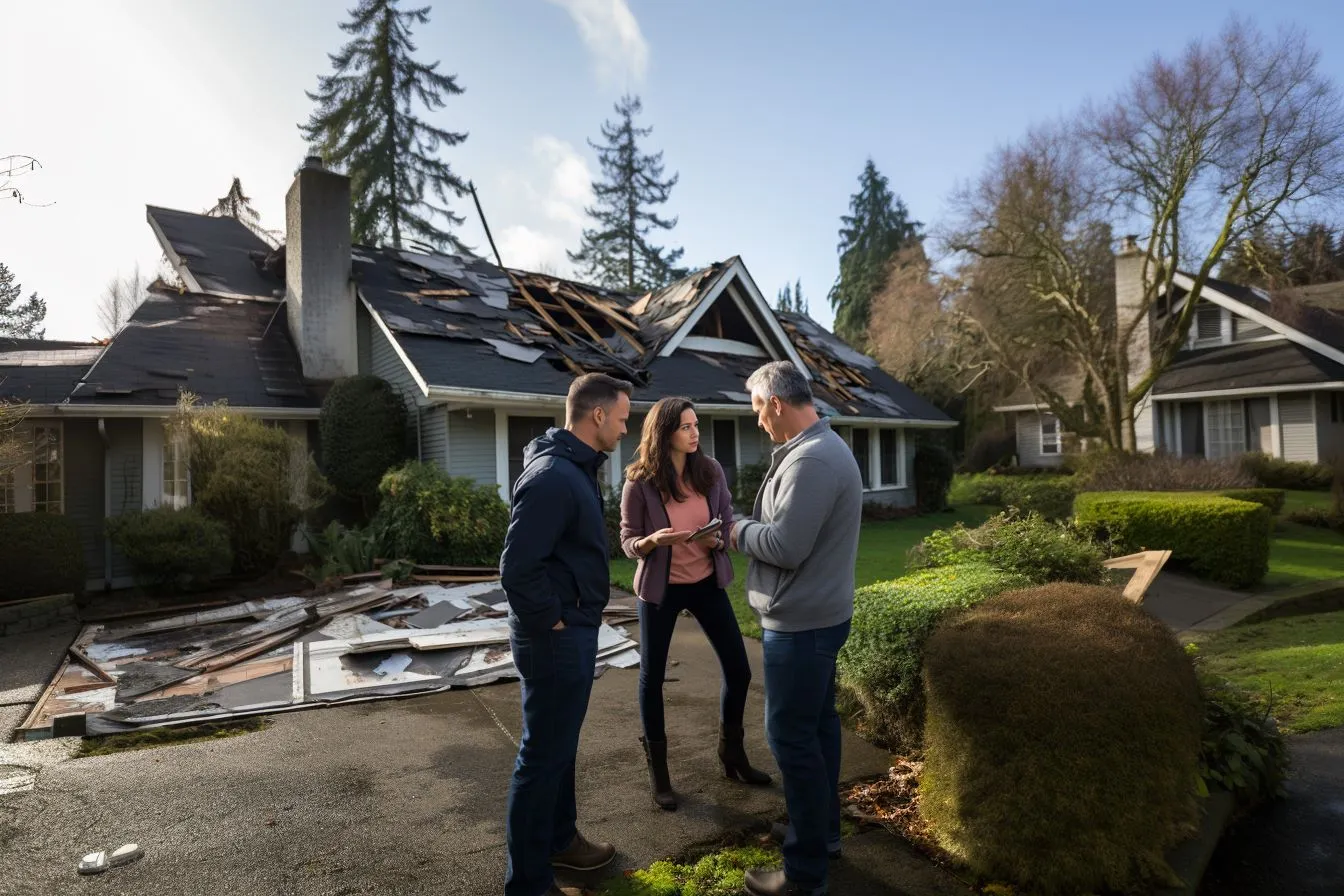
Yes, file a roof damage claim when a covered storm event caused the damage, and weigh a small repair against your deductible first, because claims affect future premiums. Dealing with roof damage after a severe storm is one of the more stressful situations a homeowner can run into. The repair bill is real, the timeline is uncertain, and on top of that there's the insurance process, which has its own learning curve. This guide walks through how a roof damage insurance claim actually works, what to expect, and how to avoid the common pitfalls that cost homeowners money. Our insurance claims guide covers the full process step by step.
If your roof was damaged by a covered event such as hail, straight-line winds, a tornado, or a fallen tree during a storm, yes, file the claim. That's what homeowners insurance is for. An insurance adjuster's inspection determines the extent of the damage and whether the policy will cover repair or full replacement.
The judgment call is on smaller cosmetic damage. If the repair is close to your deductible amount, filing can sometimes hurt you more than help, because claims affect future premiums. A roofer who handles claims regularly can usually tell you in 10 minutes whether it's worth filing. A professional roof inspection is the fastest way to get that answer.
Two things in your policy matter most for roof claims: whether you carry Actual Cash Value or Replacement Cost Value coverage, and what the policy excludes.
Actual Cash Value (ACV) policies cover the depreciated value of your roof at the time of damage. Older roof, smaller payout. Replacement Cost Value (RCV) policies pay what it actually costs to replace the roof today, regardless of age. RCV is more expensive monthly, but pays out significantly more when something happens. Check which one you have before a storm, not after.
Most policies exclude wear and tear, poor maintenance, pre-existing damage, and sometimes specific storm types or cosmetic-only damage on metal roofs. Reading the exclusions before you need them saves arguments later.
Beyond the deductible, a roof replacement brings two more costs a homeowner can face: material upgrades and code upgrades. First, if you want to upgrade materials during the replacement, say going from asphalt to metal, insurance covers the like-for-like cost and you pay the difference. Second, code upgrades. If your roof was installed before current code, the replacement has to meet today's code, and depending on your policy that gap may or may not be covered.
It also helps to know the scale of the numbers going in. A full roof replacement averages around $11,500 nationally, though the real figure moves with the roofing material you choose, the size and slope of the roof, and local labor costs.
On the deductible itself: with a $2,500 deductible on a $25,000 roof claim, the payout would be $22,500. One wrinkle to check for: in areas that see frequent wind and hail, some policies carry a separate wind or hail deductible, often set at 2% to 5% of your dwelling coverage rather than a flat dollar amount. That can change the math on whether filing makes sense.
Document roof damage with time-stamped photos and video of the whole roof, close-up damage, gutters, roof features, and interior stains, plus notes tied to the storm date. Adjusters respond to evidence, and claims get underpaid or denied when the record is thin. Work from the ground, stay safe, and capture more than you think you need.
Wind and hail leave different fingerprints. Wind damage shows up as missing, creased, or sliding shingles. Hail is sneakier: check ground-level objects for collateral damage first. Dents in downspouts, dings on the garage door, holes in window screens, and marks on painted wood or shutters are strong clues the roof took hits too.
Move through the property systematically:
Write detailed notes describing each damaged area, its location, and the likely cause. Then pull the weather report for the date of the storm. Documentation that ties the damage to a specific weather event significantly strengthens a claim.
The insurance adjuster is the person whose inspection determines what the company pays. Their decision is the one that counts. A roofing contractor can provide their own assessment, photos, and documentation, but the adjuster makes the final call.
This is where having a roofer who's been through a lot of claims helps. They know what adjusters look for, what gets missed on a quick inspection, and how to document damage in a way the insurance company accepts.
Most policies pay out in two parts. The first check covers the Actual Cash Value of the damage, the depreciated value of the roof, and it comes after the initial inspection. The second check covers the recoverable depreciation, sometimes called the RCV holdback, and it's released only after the work is completed and documented. Many homeowners don't realize this and leave that second check on the table. If you don't complete the repair, you don't see that money.
Many insurance companies require a final inspection before releasing the recoverable depreciation. Make sure your contractor handles this step, provides the documentation the insurance company needs, and follows up if the final payment is delayed.
The insurance estimate is almost always lower than what a contractor will actually quote, because insurers use software-generated estimates that may not reflect current material or labor costs. A supplement claim, where the contractor documents the gap and submits it to the insurance company, is often necessary to bridge that difference.
Supplements also cover what turns up once the work starts: rotted decking under the shingles, additional flashing failures, water-damaged underlayment, or code-required upgrades the original estimate missed. Legitimate supplement claims are part of the normal process, not a fight you're picking.
Denials happen for a few common reasons: claim was filed too late, the damage was ruled pre-existing, the roof had maintenance issues that voided coverage, or the policy specifically excluded the cause. If you believe the denial is wrong, you can request a second inspection, hire a public adjuster, get an independent engineer's report, or in some cases pursue legal options.
The first step is always asking the insurance company to put the denial in writing with the specific policy language they're citing. That gives you something to push back on.
A denial isn't always final. Many denials get reversed with thorough documentation and persistent, professional pushback:
The contractor you pick matters more on an insurance job than on a cash one. You want someone who:
Be cautious of "storm chasers": out-of-state contractors who show up after a storm, take deposits, and don't deliver. A local contractor with a history in the area is almost always the safer choice.
Keep photos of your roof from before the storm if you can, photos after the storm, all communications with the insurance company in writing, and all repair invoices. If anything goes to dispute, this is your evidence.
If you need to tarp the roof or do other emergency work to prevent further damage, do it. Most policies require you to mitigate further damage. Save receipts; this is often reimbursable.
From filing to payout typically takes anywhere from a couple weeks to a couple months, depending on the insurance company, the scope of damage, and how busy the local market is after a storm. Patience helps but so does following up.
If codes changed since your roof was installed, the replacement may need to meet new code requirements. Some policies cover the upgrade cost, some don't.
An insurance claim is a process, not a single event. The homeowners who get the best outcomes are the ones who understand their policy before they need it, document everything, and work with a contractor who's been through the process many times.
If you're in Middle Tennessee and dealing with roof storm damage, we handle insurance claims regularly and have insurance-trained staff on the team. Call us if you want a free inspection and an honest read on whether it's worth filing. Request your free inspection any time.

Not sure if insurance will cover your new roof? Learn what’s typically covered, what’s not, and how to navigate your claim
Yes, Tennessee insurance companies can offer discounts for metal roofs. Metal roofs can lower homeowners insurance by up to 35%.
Looking for a roof that lowers insurance costs? Discover which materials are the most affordable to insure and why