Metal Roofing Alliance Member
TVA Preferred Partners Network
10,000+ Metal Roof Jobs
Nashville, TN
Licensed & Insured
BBB A+

Open 8am–8pm
(615) 649-5002Schedule Your
Appointment
Appointment
✦ Reviewed by The Metal Roofers Technical Team
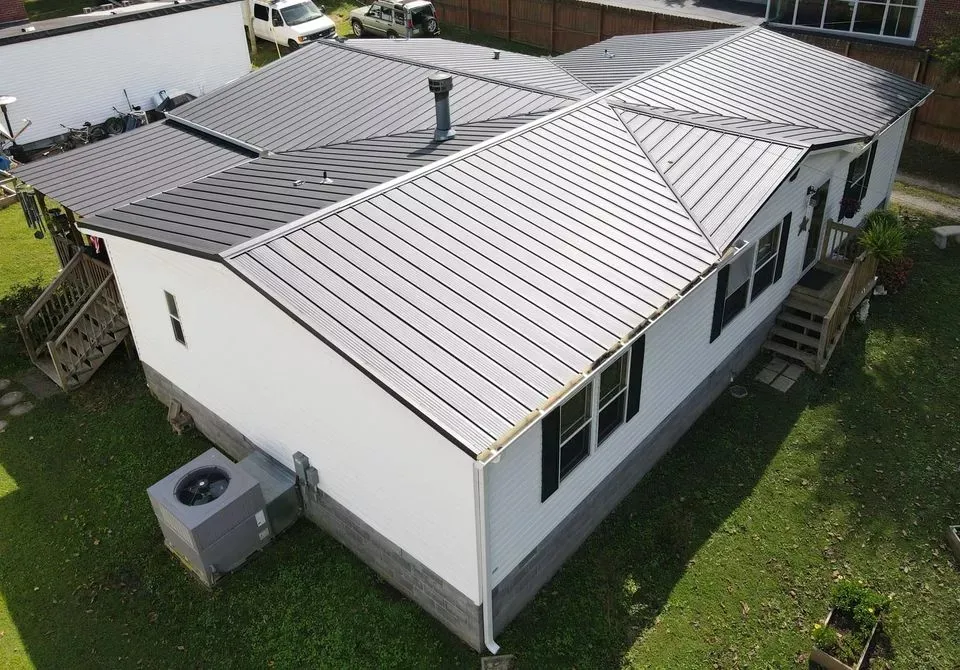
A new roof is one of the biggest investments most homeowners ever make on their home. The decision deserves real research, not just a quick quote and a handshake. Here are the four questions homeowners ask us most often, and honest answers to each.
There's no single best material. The right one depends on your budget, the style of your home, the climate where you live, and how long you plan to own the property. In Middle Tennessee specifically, the four most common residential options are asphalt shingles, metal roofing, metal shingles, and (occasionally) tile or slate on higher-end homes.
For most homeowners staying in their home long-term, metal makes the most financial sense over the lifespan of the roof. For short-term ownership, asphalt is the more economical choice upfront. A good roofing contractor will walk through the trade-offs with you honestly instead of pushing a single product.
Cost depends on three things: the size and complexity of your roof, the material you choose, and the condition of the existing structure underneath. Real ranges for a typical Middle Tennessee home:
For a 2,000 sq ft roof, asphalt typically runs $6,000 to $14,000, and metal runs $14,000 to $28,000. The honest math: metal costs more upfront, but lasts 2 to 3 times longer, so the lifetime cost often favors metal.
Not always, but yes in most cases. Some jurisdictions allow a new roof to be installed over an existing one (a roof-over), but it's almost always better to tear off the old roof completely. The reason: you can't inspect the decking underneath for rot, water damage, or fastener problems without removing the old material first. Skipping that step means installing a new roof over hidden problems that will eventually cause leaks or structural issues.
For metal roof installations specifically, tear-off is essentially always required because the new system needs a clean, sound deck to attach to.
Lifespan varies dramatically by material:
Installation quality matters as much as material choice. A poorly installed metal roof can fail in 10 years; a well-installed one can outlast its 75-year material warranty. Choose the contractor as carefully as the material.
If you have other questions about your specific roof or want a free consultation, give us a call. We've been installing metal and traditional roofs across Middle Tennessee for 20+ years and we're happy to give you straight answers. You can also review our metal roof pricing guide or contact us online.

Is your roof due for a replacement? Discover 10 key signs that indicate it’s time for a new roof
Heard myths about metal roofing? We’re setting the record straight by debunking common misconceptions and sharing the real facts
Thinking about a metal roof? Here are five quick facts about its durability, efficiency, and long-term benefits.