Metal Roofing Alliance Member
TVA Preferred Partners Network
10,000+ Metal Roof Jobs
Nashville, TN
Licensed & Insured
BBB A+

Open 8am–8pm
(615) 649-5002Schedule Your
Appointment
Appointment
✦ Reviewed by The Metal Roofers Technical Team
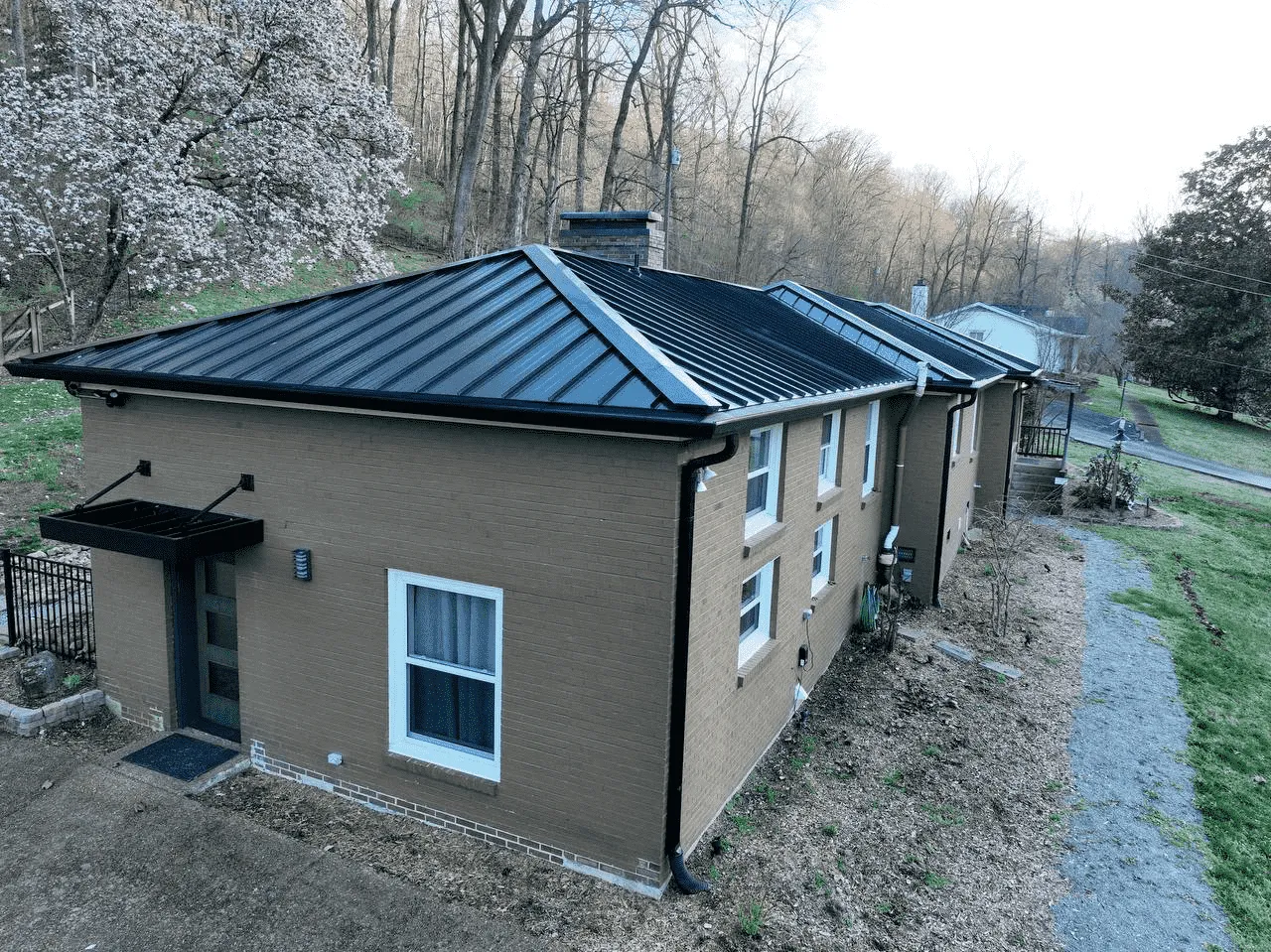
Maintain a metal roof by cleaning it occasionally, inspecting it annually, keeping the gutters clear, trimming overhanging branches, and addressing small repairs quickly. A metal roof is one of the most durable and long-lasting roofing options available, with a realistic lifespan of 50 to 75+ years depending on the system. But durability doesn't mean maintenance-free. In Middle Tennessee, where seasonal storms, humidity, pollen, and falling debris all take a toll, a little upkeep goes a long way toward making sure your roof actually hits that 75-year mark instead of needing repairs at year 25.
Here's the honest list of what metal roof maintenance actually looks like.
Keeping a metal roof clean prevents corrosion and keeps the surface reflective, because dirt, debris, and organic growth like moss or algae can accumulate, especially in shaded or damp areas.
In Middle Tennessee, where pollen coats everything in spring and humidity stays high through summer, a seasonal rinse keeps your reflective coating doing its job and maintains energy efficiency.
Schedule a metal roof inspection once a year, because periodic checks catch small issues before they grow into expensive problems. Metal roofing needs less inspection attention than asphalt shingles, but those checks still matter.
Schedule an annual inspection, plus an after-storm check if you take significant hail or wind. We do free inspections in Middle Tennessee. Worth taking advantage of.
Keep your gutters clear, because clogged gutters cause water to back up under flashing, which leads to rust and leaks even on metal roofs. Proper drainage is essential.
With Middle Tennessee's frequent storms, keeping gutters clear is the single easiest maintenance task that meaningfully extends your roof's life.
Trim overhanging branches, because repeated scraping in wind events wears through paint coatings and exposes the metal underneath, which then can rust. Trees provide shade and curb appeal, but their branches scrape against metal in wind.
Trim back any branches that extend over your home, especially before storm season hits in spring.
Address small metal roof repairs quickly, before minor issues turn into bigger problems. Metal roofing is highly resistant to leaks and damage, but minor issues do appear.
Most of these are small, inexpensive fixes when caught early. Left alone, they become full-section repairs that cost orders of magnitude more.
A metal roof with proper care can outlast every other roofing material on the market: 50 to 75+ years, sometimes more. The maintenance list is short: clean it occasionally, inspect annually, keep your gutters working, trim branches, and address small problems quickly. Skip the maintenance and you'll get less life out of the roof and more headaches along the way.
If you want a professional inspection on your Middle Tennessee metal roof, give us a call. We'll give you a straight read on its condition and tell you what (if anything) needs attention. You can also join our roof maintenance program or schedule a metal roof inspection.

The biggest problem with metal roofs is improper installation, not the metal itself.
Understanding common issues with standing seam metal roofs can help ensure your roof remains in top condition for decades
Missing shingles can lead to leaks over time. Learn how they impact your roof and what to do to prevent water damage