Metal Roofing Alliance Member
TVA Preferred Partners Network
10,000+ Metal Roof Jobs
Nashville, TN
Licensed & Insured
BBB A+

Open 8am–8pm
(615) 649-5002Schedule Your
Appointment
Appointment
✦ Reviewed by The Metal Roofers Technical Team
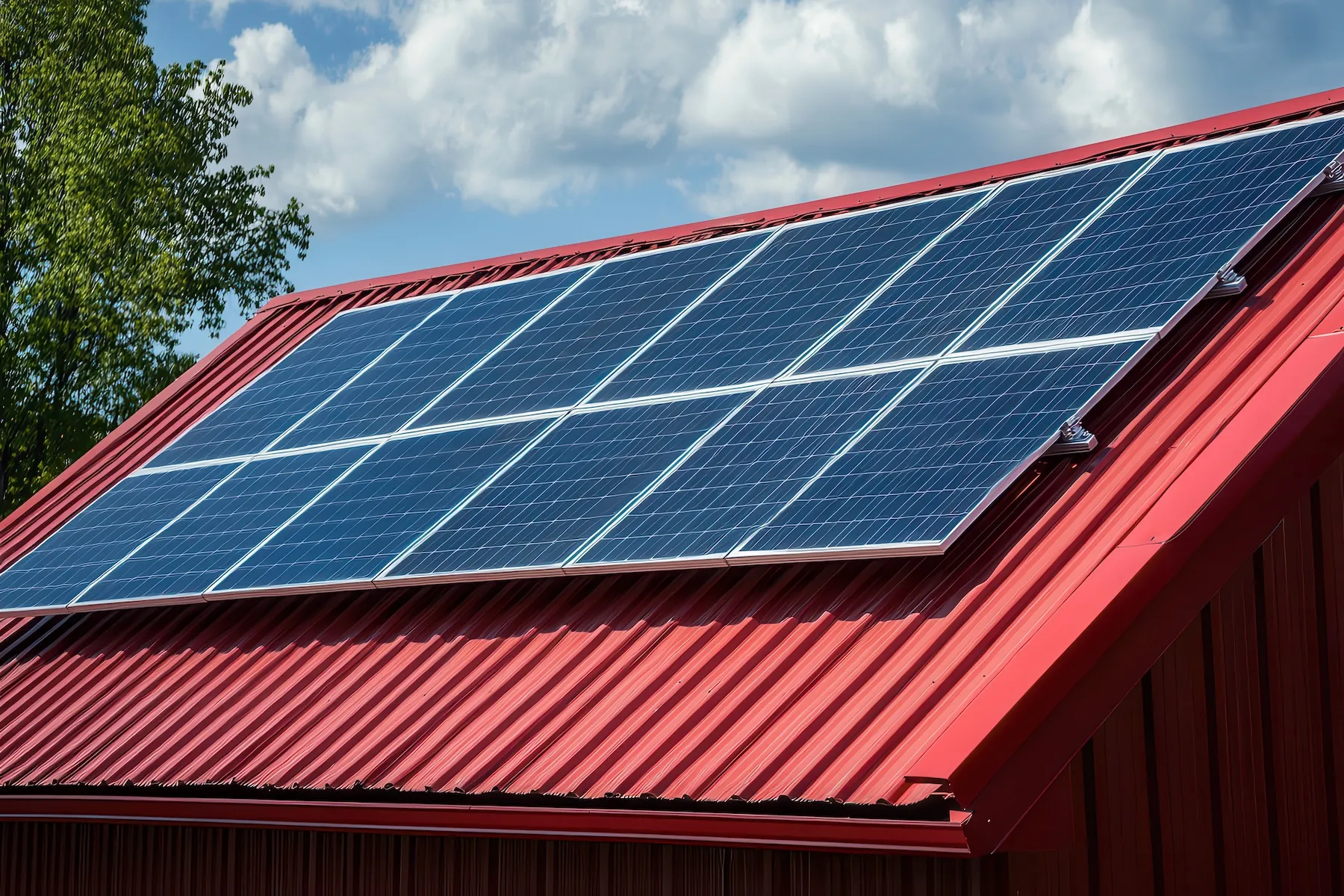
Solar roofing still works in cloudy or cold climates because modern solar technology is designed to capture energy year-round, not only on bright, sunny days. When most people think of solar energy, they picture sunshine, and it's a common misconception that solar roofing won't perform well in less sunny regions. Let's bust some myths and explain why solar roofing is still an efficient, smart investment no matter the climate.
While solar panels do generate the most electricity in direct sunlight, they don't stop working when skies are overcast. In fact, they can still produce 10 to 25% of their typical output on cloudy days. Countries like Germany, known for their cloudy weather, are world leaders in solar energy use, proving that consistent sunshine isn't a requirement for success.
It may surprise you to learn that solar panels often perform better in cooler weather. Heat can reduce panel efficiency, so the crisp, cold air of fall and winter actually helps panels work more effectively. Combined with reflective snow that bounces extra light onto the panels, winter months can still produce meaningful energy.
The reality is that solar roofing works year-round, not just in the summer. With improved technology and proper installation, it remains a reliable energy source even in regions with long winters or frequent rain. Rather than waiting for perfect weather, homeowners can begin saving on energy costs and reducing their carbon footprint right away.
At The Metal Roofers, we install solar roofing systems designed for maximum efficiency, no matter where you live. Contact us today for a free consultation and learn how solar roofing can help lower your energy bills all year long. You can also learn more about our solar roofing options.

With energy bills on the rise and summers getting hotter, Nashville homeowners are searching for ways to keep cooling costs under control.
Discover the biggest benefit of a commercial metal roof: long-term value. Learn how durability, energy savings, and low maintenance make it a smart investment.