Metal Roofing Alliance Member
TVA Preferred Partners Network
Music City Specialists
Nashville, TN
Licensed & Insured
BBB A+
.avif)
Call Anytime
(615) 649-5002Schedule Your
Appointment
Appointment
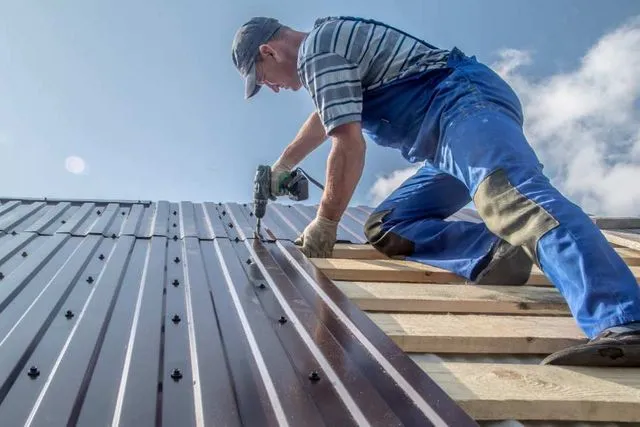
Metal roofing has been around for over a century, but a lot of the assumptions homeowners have about it are based on old information. Many of the persistent myths come from older metal roofing systems that don't reflect what modern installations actually look or perform like. Here are the most common myths we hear, and the truth behind each.
This one comes from old uninsulated barn roofs where rain hit bare metal panels nailed directly to rafters. Modern residential metal roofs are installed over solid sheathing and high-quality underlayment, both of which dampen sound significantly. Rain on a properly installed metal roof measures about 52 decibels, compared to about 46 for asphalt, a difference most people can't even detect. With modern installation methods, metal is no louder than any other roofing system and is often quieter than people expect.
The dull gray corrugated sheets of barn roofs aren't what residential metal looks like today. Modern metal roofing comes in dozens of profiles and finishes: standing seam, metal shingles that mimic asphalt or slate, stamped tile profiles, traditional ribbed panels, copper, and zinc. Color ranges from matte black and weathered bronze to muted greens, blues, and warm earth tones. Whatever your home's design language, there's a metal roof that fits it.
Yes, metal costs more upfront than asphalt. That part is true. What people miss is the lifetime math. Asphalt lasts 15 to 25 years; metal lasts 50 to 75+. Over a 50-year window, you'd install asphalt 2 to 3 times. Add the energy savings (cooling costs typically drop 10 to 25% with a metal roof) and the insurance discounts most carriers offer, and metal frequently ends up cheaper over the lifespan of the roof.
For long-term homeowners, the math almost always favors metal. For short-term ownership, asphalt may make more sense upfront.
This is exactly backwards. Metal roofs reflect solar heat instead of absorbing it the way asphalt does. The reflective coatings used on modern metal panels bounce 60 to 90% of incoming solar radiation back into the atmosphere rather than into your attic. Roof surface temperatures on metal can run 100 degrees cooler than on asphalt on a hot summer day. A study by the Oak Ridge National Laboratory found that certain metal roofing systems, especially those with above-sheathing ventilation, can reduce heat transfer through the roof by about 45% compared to asphalt shingles. That's why metal roofs reduce cooling costs. They're a better choice for hot climates, not worse.
Lightning strikes the highest point in an area regardless of what that point is made of. Metal doesn't attract lightning. What it does do is give a strike a low-resistance path to discharge safely into the ground rather than through your home's wiring or framing. And because metal is non-combustible, a strike doesn't start a fire the way it can on a wood or shingle roof. Metal is actually safer in a lightning strike than most other roofing materials.
Modern metal roofs aren't bare metal. Quality systems use Galvalume-coated steel with metallic and polymer paint systems that provide rust protection for decades. As long as the coating isn't damaged, and small scratches can be touched up with manufacturer-approved paint, the underlying metal stays protected. The visible rust on old barn roofs comes from poor coating systems that haven't been used in residential metal roofing for decades.
Another misconception is that metal roofing is too heavy for residential framing. In reality, metal is much lighter than traditional materials like clay tiles, slate, or even some asphalt shingles. Because of its lightweight nature, a metal roof puts less stress on your home's structure and can actually help preserve its structural integrity over time.
At The Metal Roofers, we install the best metal roofing systems on the market: standing seam, classic panel, metal shingles, copper, and more. We've spent 20+ years explaining the truth behind these myths to Nashville homeowners and standing behind every roof we install. If you're considering metal, give us a call for a free consultation and an honest assessment. Explore standing seam, metal shingles, or contact us online.

Got roofing questions? We’re answering the four most common ones to help you make informed decisions about your roof.
Considering a metal roof for your rental property? Learn the pros, cons, and whether it's the right investment for you