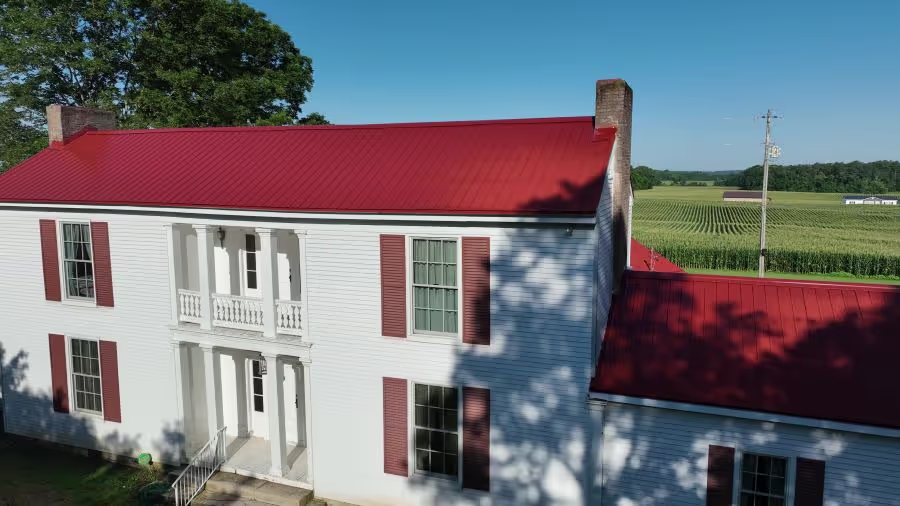
Two-story white farmhouse with red metal roof and shutters next to a green field under a clear blue sky.
Abstract geometric design with a cream-colored triangle at the bottom left and a black triangle at the top right meeting diagonally.

Tin Roofing
Nashville

Tin roofing in Nashville is one of those phrases people still use every day, even though almost nobody has a true tin roof anymore. When most homeowners say “tin roof,” they are talking about the classic metal barn roof or an old farmhouse roof that rattles in the rain. Historically, tin-plated steel and terne-coated metal were used on buildings, but modern “tin roofs” in Middle Tennessee are almost always made from coated steel or aluminum. The look is similar, the sound is familiar, but the material has changed completely.

The Metal Roofers are Nashville’s specialists for what people still call tin roofs, which in reality are high quality steel or aluminum standing seam and exposed-fastener systems designed to echo that old “tin roof” look while giving you the strength, coating technology, and wind resistance of modern metal roofing. We install classic rib “barn style” metal, standing seam metal, and painted steel panels on homes, barns, and outbuildings across Nashville, Franklin, Brentwood, Mt. Juliet, Hendersonville, and all of Middle Tennessee. If you are searching for a tin roof or tin metal roofing, we make sure you understand exactly what you are getting and why steel is almost always a better choice than true tin in today’s market.

Tin roofing in Nashville usually means modern steel roofing, not actual tin metal.

Tin as a pure roofing metal or true tin-plated sheet is rarely produced and almost never specified on modern residential jobs in Middle Tennessee. When you see a “tin roof” on a barn off Highway 96, a farmhouse in Williamson County, or an older home in East Nashville, you are almost always looking at galvanized or galvalume steel with a painted or factory-applied coating. The term “tin roof” survives because that is what people grew up hearing and what older generations called any metal roof that was not copper or slate.

Modern steel roofing carries that same visual tradition forward but with far better coatings, consistent gauges, and engineered profiles. Instead of soft, thin sheet that dents easily and rusts quickly, you get heavier-gauge steel panels with zinc or aluminum-zinc alloy coatings and high performance paint systems that are tested for UV stability and corrosion resistance. In other words, you still get the “tin roof” look and sound you might want on a porch, farmhouse, or barn conversion, but what is overhead is a modern steel roof designed for strong winds, heavy rain, and the daily expansion and contraction that come with Nashville summers and colder winter nights.

Why steel has replaced tin roofing almost everywhere

Tin had a role in historic roofing as part of tin-plated and terne metal products, but steel has taken over because it is easier to produce, stronger for its weight, and much more widely available. When you order metal roofing panels today, the coil stock coming off the truck is almost always coated steel, sometimes aluminum, sometimes zinc, but not tin. Steel gives you higher tensile strength, better resistance to denting, and more options for profiles and finishes, all at a lower cost than specialty tin-based products.

For a Nashville homeowner, this means that “tin roof” budgets and “steel roof” budgets are actually talking about the same category of work. The difference is that steel roofing is standardized and supported by large manufacturers who publish span tables, testing data, and long-term paint warranties. You are not hunting for a niche supplier of tin sheet or trying to find installers who still know how to work with it. You are using widely produced roofing steel that is designed from the start to be on a home, a barn, a shop, or a barndominium and that can be replaced or extended with matching product decades down the road.

Tin look, steel performance: shapes and styles that match historic and barn roofs

The reason people still talk about tin roofs is partly emotional. Tin roofs are part of the visual language of older Tennessee barns, tobacco sheds, and farmhouses. Modern steel roofing can match that look very closely while delivering much better performance. Classic rib panels with exposed fasteners give you the familiar barn roof look that people call “tin,” and standing seam steel panels give you a clean, traditional vertical seam look that reads as “old tin roof” from the yard but is in fact a premium steel system.

Steel can be formed into long panels that run from eave to ridge, into smaller panels that work on porches and bays, and into trim pieces that mimic older bent tin details around chimneys, dormers, and edges. It can be installed in bare metal galvalume finishes for a more agricultural feel, or in painted finishes that echo the older silver, red, and green roofs that people associate with tin. The key is profile and proportion. When we put a “tin style” roof on a Nashville home, we use modern steel but choose shapes and colors that fit the architecture and neighborhood so you get the heritage look with a much more reliable material overhead.

Why it still makes sense to talk about tin roofing and how we help homeowners sort it out

Even though tin is not what is on the truck anymore, people in Nashville and across Middle Tennessee will probably keep saying “tin roof” for a long time. It is a convenient shorthand for “metal roof that is not copper,” and it is tied up with memories of rain on barn roofs, old porch roofs on grandparents’ houses, and after-the-storm glints of sun off rural buildings. From an installer’s point of view, that language can be confusing, because what matters for your home is not what people call the roof but what the roof is actually made of and how it is built.

When a homeowner calls us asking about tin roofing, our first job is to translate the request. We ask what you are picturing. Are you seeing a shiny barn roof on a farmhouse. A matte gray standing seam on a newer home. A silver low slope porch roof. Once we know the look and the budget, we explain why true tin is not the path and why steel or another modern metal is the right answer. We then design the assembly the same way we do for any serious roof: solid decking, high temp underlayment where needed, correct fasteners, good flashing details, and a metal profile and finish that will live well on your house for decades. You still get the “tin roof” you asked for, but you get it delivered as a modern, structural steel roof system that will actually hold up in Nashville weather.

Tin-style metal roofing still gives you the sound, feel, and longevity people expect when they say “tin roof.”

Part of the reason the phrase will not die is that a good metal roof still does what those old tin and terne roofs were famous for, it stays on the structure a long time and you can actually hear the weather in a way that feels honest. Modern steel panels installed in a “tin roof” style still deliver that. When a thunderstorm rolls through Middle Tennessee, you get that soft, steady sound on a porch roof or farmhouse gable that people remember from older buildings, but under the coating you have steel that is thicker, stronger, and better protected than anything that was rolled out fifty or a hundred years ago. Maintenance is simpler than it ever was on real tin. You are not up there soldering seams or chasing rust through paper-thin metal. You keep trees trimmed off the roof where you can, keep gutters and valleys clear, and have the system inspected around fasteners and flashings from time to time. The panels themselves are working inside a tested coating and metallic layer, which means you keep the nostalgia and the feeling of a “tin roof in the rain” while quietly relying on a modern material that actually fits current codes, wind ratings, and warranty expectations for a Nashville home.

Is my existing “tin roof” actually made of tin, or is it something else?

In almost every case, a “tin roof” in Nashville is not pure tin and is not tin-plated sheet the way it might have been described a century ago. If your home, barn, or porch roof was installed in the last several decades, it is almost certainly galvanized steel, galvalume steel, or occasionally aluminum with a factory paint or metallic coating. The term “tin” has stuck around in everyday speech, but when we get on your roof and take a close look, what we see is modern roofing steel with coatings designed for corrosion resistance and color fastness. That is actually good news, because it means replacement panels, matching trim, and repair strategies are widely available and based on tested, standard products.

Does anyone still install real tin roofs in Middle Tennessee, and should I want one?

True tin roofing, in the sense of tin-plated iron or terne metal made with tin, is highly specialized and rarely used in residential work in Middle Tennessee. There are restoration and historic projects where something very close to original terne metal is specified, and those jobs are handled by shops that focus almost entirely on historic preservation work. For a typical homeowner in Nashville, Franklin, or Brentwood, there is usually no advantage in trying to source and install real tin. Modern coated steel gives you better strength, more reliable coatings, longer warranties, and a much larger pool of installers who know how to work with it. The look you are after can be achieved with the right steel profile and finish without the sourcing and detailing issues that come with trying to resurrect true tin.

What is a modern “tin roof” actually made of when I hire someone to install one today?

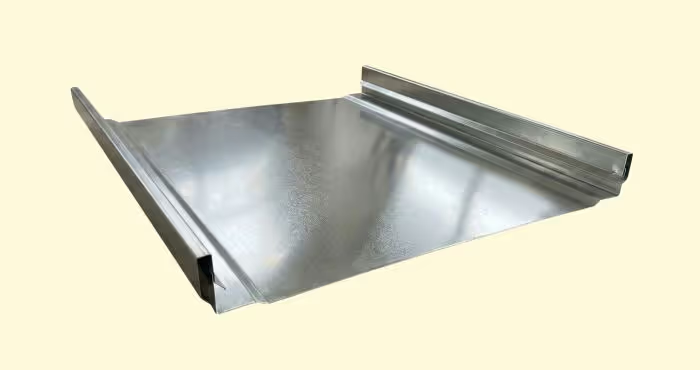
When you hire a roofer to put a “tin roof” on your home today, you are almost always getting a steel roof system. The panels are cut from coils of galvanized or galvalume steel that have zinc or aluminum-zinc alloy coatings plus a factory-applied paint or clear finish. The panels are then formed into standing seam, classic rib, or other metal roof profiles. Fasteners, clips, and trim are all designed around steel, not tin. That combination of steel core, metallic coating, and paint system is what gives you corrosion resistance, color, and durability. So even if the conversation starts with the phrase “tin roof,” the actual materials and methods are steel roofing built to current standards.

How does a “tin” metal roof compare to asphalt shingles for lifespan and performance?

A “tin” metal roof made from modern steel will generally last significantly longer than asphalt shingles when it is installed correctly. Shingle roofs in Middle Tennessee often need replacement somewhere in the 20 to 30 year range, sooner if there are multiple severe storms or if ventilation and installation were poor. A quality steel roof system can easily run 40 to 50 years or more with basic maintenance, because the metal panels and coatings resist UV, wind, and thermal cycling far better than organic-based shingles. Metal also sheds water and snow more efficiently, is less prone to damage from minor debris, and is more resistant to blow-off in high winds. The upfront cost is higher, but over the life of the house, many homeowners come out ahead on total roofing spend.

Can you make a new steel roof look like an old tin barn roof or farmhouse roof?

es, very closely. If your goal is that classic barn or farmhouse “tin roof” look, we can specify steel panels and finishes that match the style you have in mind. Galvalume finishes give a soft, metallic sheen that resembles older unpainted metal. Light gray or silver painted panels can echo the traditional “tin” colors people remember. Classic rib or similar exposed-fastener profiles give you the traditional corrugated look often seen on barns and sheds, while low-profile standing seam can mimic old farmhouse roofs that had visible seams but a smoother face. The key is picking the right combination of panel profile, width, and finish so the new steel roof feels like a natural fit on your house or outbuilding instead of something that looks out of place.

Are The Metal Roofers the right contractor if I want a tin metal roof look in Nashville?

If you are looking for what people still call a tin roof and you want it done as a modern steel roof system, then yes, The Metal Roofers are exactly the type of contractor you want. We specialize in metal roofing, not just shingles, and we install classic rib “barn style” panels, standing seam systems, and custom trim packages on homes and outbuildings across Nashville, Brentwood, Franklin, Hendersonville, Mt. Juliet, and the wider Middle Tennessee area. We understand the difference between the old terminology and the current materials, and we explain that difference clearly so you know what is going on your house.

Our work is backed by a lifetime workmanship warranty, a strong local reputation, and high ratings on platforms like Google and with the Better Business Bureau. When you tell us you want a “tin roof,” we translate that into the right steel profile, coating, and assembly so you end up with the look you want and a long-lasting metal roof that is built for today’s codes and weather, not for the assumptions people had a hundred years ago.