Talk With A Metal Roof Expert
Call (615) 649-5002



.avif)
-min.avif)


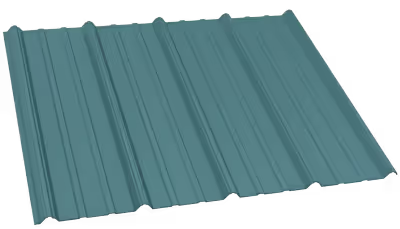
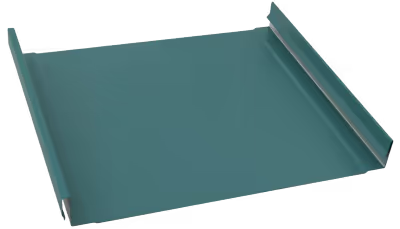
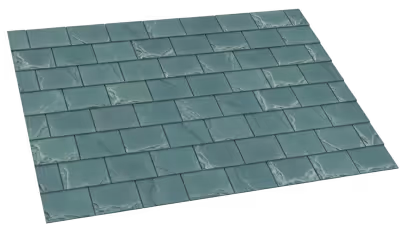
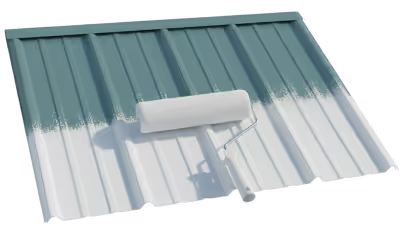
Metal roofing is an excellent option for Athens homes, but only when installed with local conditions in mind. That means accounting for McMinn County humidity, temperature swings between seasons, and heavy rain events with proper ventilation, air sealing, and underlayment. When these details are handled correctly, a metal roof helps resist moisture intrusion, reduces heat transfer, and performs consistently in Athens’ East Tennessee climate.
Athens’ climate places steady pressure on residential roofing systems. Long, hot summers combined with sudden thunderstorms, heavy rain, and seasonal humidity can quickly break down traditional roofing materials. Homes near Downtown Athens, along Congress Parkway, and near Tennessee Wesleyan University experience prolonged sun exposure, while properties closer to Hiwassee River and wooded residential areas deal with higher moisture levels. Metal roofing helps by shedding water quickly, resisting mold growth, and holding up better under repeated storm cycles.
.avif)
.avif)
A properly designed metal roofing system addresses these challenges by incorporating balanced intake and exhaust ventilation paired with high-performance underlayment. This setup helps regulate attic temperatures, reduce condensation, and protect roof decking year-round. For homes near shaded streets off Decatur Pike or properties closer to the river basin, metal roofing helps manage moisture movement that often damages traditional shingle systems.
A common misconception among Athens homeowners is that metal roofs are loud during rain. In reality, when installed over solid decking with modern underlayment—standard in most Athens homes—metal roofing is no louder than asphalt shingles. Even during heavy storms, interior noise remains minimal. Beyond sound control, metal roofing reflects solar heat, helping homes stay cooler during Athens’ peak summer months and easing the load on HVAC systems.
.avif)