
Talk With A Metal Roof Expert
Call (615) 649-5002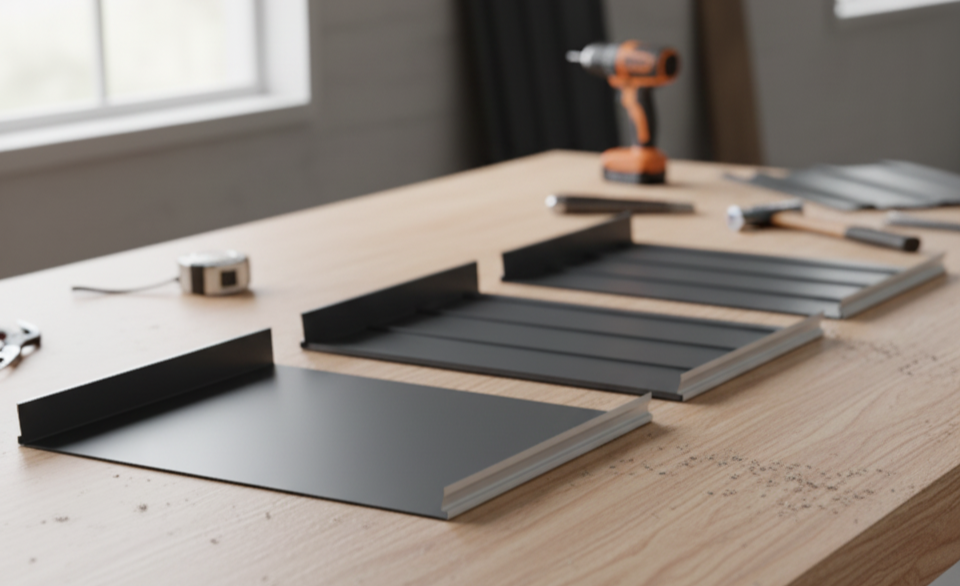
Oil‑canning is the ripple or waviness you sometimes notice across the wide flats of a metal roof when the sun hits just right. It’s not a leak or a structural failure—most panels will show a little movement over time—but on a Nashville home that prides itself on clean lines, small ripples can distract from an otherwise beautiful standing‑seam roof. The good news is that modern panels offer subtle “structure” options that quiet those reflections without changing the profile you chose. In Middle Tennessee, where long summer heat cycles and cool winter mornings push panels to expand and contract, these details make a visible difference.
Adding structure is about optics and stress management. By introducing tiny breaks in the flat pan—without exposing fasteners—you diffuse highlight lines, relieve localized stress around clips, and make any small waves far less noticeable from the street. For most profiles the options do not change the engineering values or the lead time, and in many cases there’s little or no cost difference. The result is a roof that reads calmer in July and just as crisp in January.
Clip relief is a slight indentation formed along the outside vertical leg of the panel where it passes over the concealed clip. From the ground it’s practically invisible, but it does real work: it lets the seam sit comfortably over the clip and reduces the tendency for the pan to telegraph a bump or crease at each clip location. On Nashville projects we specify clip relief as our default for both snap‑lock and mechanically seamed standing seam unless the design calls for a perfectly flat leg. It’s the smallest change you can make with the biggest day‑to‑day benefit.
Striations are gentle, wave‑like indentations that run across the pan from rib to rib. Because they span the entire panel, they scatter reflections and make minor waviness and even small hail marks less noticeable. Up close on a sample board they look pronounced; installed on a roof viewed from the sidewalk in East Nashville, Green Hills, or Franklin they read as a calm, low‑sheen field. Homeowners who want a refined look with darker PVDF colors often choose striations because they balance aesthetics with predictability in our sun.
A stiffening rib is a slightly raised line—about an inch wide—placed at regular spacing across the pan. It increases perceived stiffness and can help on longer runs or in locations exposed to gusty winds. Because ribs don’t cover the entire pan, any isolated ding or wave between ribs may remain a bit more visible than it would with full‑width striations. Many Nashville clients like ribs when they want the pan to look flatter than a full striated field but still prefer a little help calming reflections.
Pencil ribs work like stiffening ribs but are narrower and quieter to the eye. They add just enough texture to disrupt glare while keeping the panel as close to a “flat” read as possible. For owners who want the crisp look of a flat pan without the risk of pronounced highlights, pencil ribs often strike the right balance—especially on street‑facing slopes that catch late‑day sun.
A truly flat pan paired with clip relief delivers the sharpest contemporary look, and many Nashville homeowners love it. Just remember that flat, wide, dark, and glossy surfaces make any movement more noticeable. If you’re committed to a flat pan, we’ll steer you toward matte PVDF finishes, thoughtfully narrow panel widths, tension‑leveled coil, high‑temperature underlayment, balanced attic ventilation, and careful substrate prep so the deck doesn’t print through. Those choices, together with 24‑gauge steel, minimize visible movement without resorting to more overt textures.
For most standing‑seam profiles used in Middle Tennessee, choosing clip relief, striations, stiffening ribs, or pencil ribs does not change the panel’s tested load or uplift values and typically does not extend lead time. Many mills and shops price these options at the same rate as a flat pan; when there is an upcharge, it’s usually modest. We’ll call that out in your proposal, but our Nashville experience is that aesthetics—not budget or engineering—should drive the decision.
Our roofs see fast‑moving thunderstorms in spring, long runs of ninety‑plus‑degree days in summer, and the occasional freeze‑thaw cycle in winter. Expansion and contraction are normal, and wide sunny planes will show highlights if the pan is perfectly smooth. That’s why you’ll see striations and pencil ribs specified more often on west‑ and south‑facing slopes in Brentwood and Franklin, while shaded slopes in older neighborhoods can stay flat without calling attention to themselves. The goal is not to hide the metal—it’s to let the architecture take the lead in every season.
What is clip relief on a standing‑seam panel? It’s a tiny indentation along the outside vertical leg that lets the seam glide over the concealed clip. You won’t notice it from the ground, but it helps the pan sit flatter and reduces the appearance of oil‑canning.
Striations vs. flat: which looks better? A flat pan gives the most minimal look, but it can highlight normal movement on big, sunny slopes. Striations soften those highlights so the field reads smoother from the street. Up close, you’ll see the texture; from curb distance, you’ll mostly notice the calm.
What exactly are striations? Gentle, continuous waves pressed across the pan from rib to rib. Because they run everywhere, they make small waves and even minor hail marks harder to see.
What are stiffening ribs? Slightly raised, about an inch wide, and spaced evenly across the pan. They add definition and perceived stiffness without covering the whole field. If a wave or ding occurs between ribs, it can be more visible than it would be with full striations.
And pencil ribs? A slimmer, subtler version of stiffening ribs. They interrupt glare with the least change to the panel’s overall look.
Bring us your roof plan, preferred colors, and a few photos of the sunniest elevations. We’ll show you full‑size samples of flat, striated, ribbed, and pencil‑ribbed panels in the actual finishes we install, then walk your slope and exposure. On many Nashville homes, our recommendation ends up being 24‑gauge standing seam with clip relief and either striations or pencil ribs on the most sun‑loaded planes, paired with matte PVDF colors for a quiet, long‑lasting finish. When the architecture begs for a completely flat read, we’ll set the assembly up—underlayment, ventilation, coil, and panel width—to give you the best odds of a serene result.
If you’d like a recommendation matched to your address and roof geometry, call (615) 649‑5002. We install throughout Nashville, Franklin, Brentwood, Murfreesboro, Mt. Juliet, Hendersonville, Gallatin, Columbia, and the greater Middle Tennessee area.