
Talk With A Metal Roof Expert
Call (615) 649-5002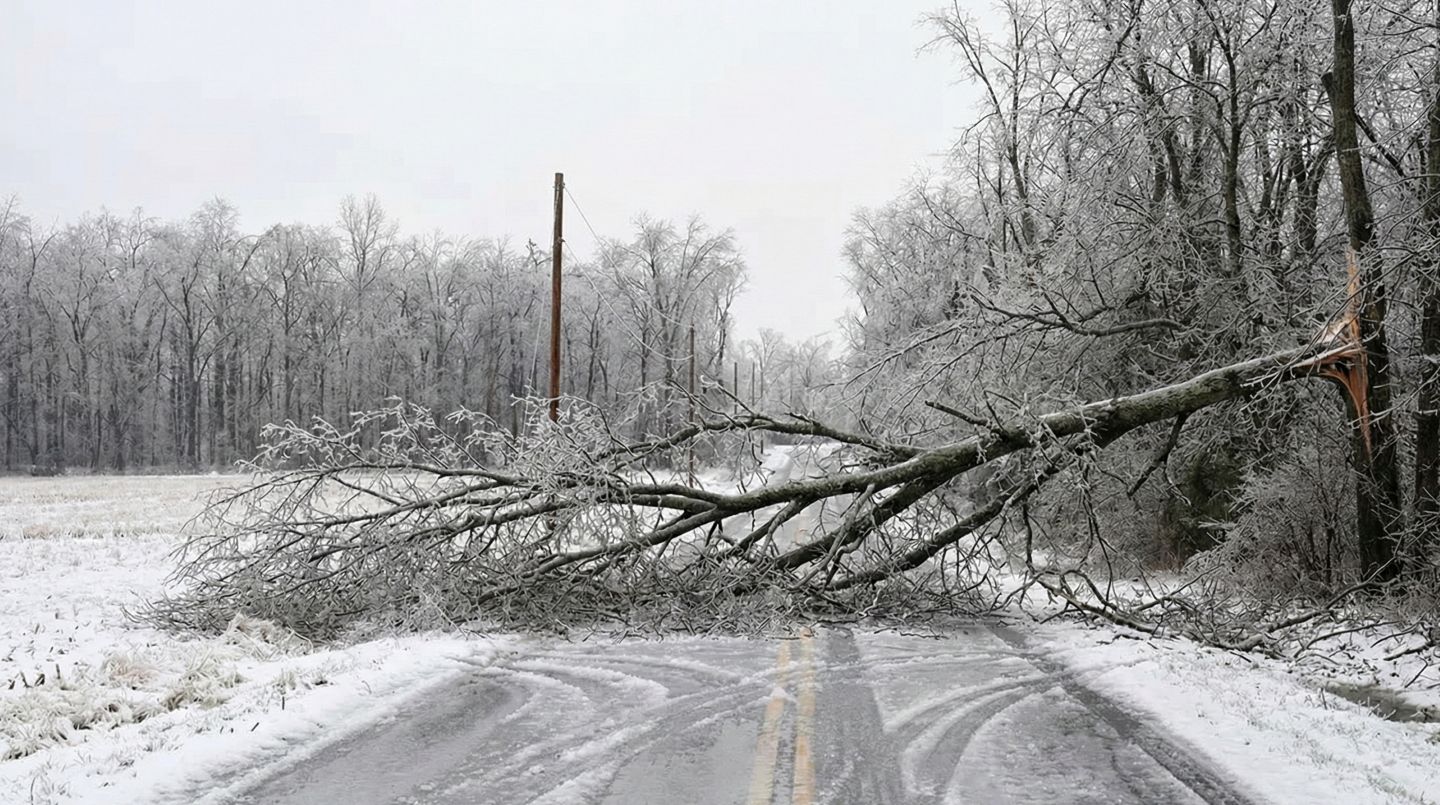
A field-based storm impact brief from TheMetalRoofers.com (January 2026)
Report type: Observational field review (non‑peer‑reviewed)
Last updated: January 2026
Headline finding:
Following the January 2026 ice storm in the Nashville area, TheMetalRoofers.com reviewed storm-related roof inspections conducted during and immediately after the event to assess the prevalence and characteristics of tree-related damage. These findings were compared against typical, non-storm inspection patterns observed during routine operations in the Nashville area.
Under normal, pre-storm conditions, approximately 5% of roof inspections performed by The Metal Roofers involve damage caused by fallen trees or large limbs. In contrast, during the post–ice storm inspection period, approximately 70% of storm-related roof inspections involved tree or limb impact, representing a fourteen-fold increase over baseline conditions. This deviation indicates that tree failure was the dominant physical damage mechanism affecting roofs across the Nashville area during this event.
Unlike wind-driven storms, the January ice storm produced damage primarily through ice accumulation and static load, rather than uplift or lateral force. As ice accumulated on branches and tree canopies, the added weight exceeded structural limits, leading to limb shear, trunk failure, and whole-tree collapse. According to the U.S. Forest Service, ice loading is one of the leading causes of widespread tree failure during winter storms, particularly in regions not adapted to frequent icing events.
When tree failure occurred, it often resulted in direct roof impact, including punctures, crushed roof sections, damaged decking, compromised eaves, and displaced gutters or edge metal. The scale and consistency of these impacts across inspections suggest widespread vegetation stress, rather than isolated failures associated with diseased or neglected trees.
These findings are based on on-site inspections and documented storm-response activity from a single Nashville-area roofing contractor. While not a comprehensive census of all storm damage in the region, the data provides a ground-level indicator of storm severity as reflected in physical tree failure and resulting structural roof damage.
If you have downed trees or hanging limbs after an ice storm, safety risks can include unstable limbs and power line hazards.
Most roof-and-tree problems start long before a storm. Branches that sit over a roofline act like a lever in heavy ice, and even in normal weather they drop grit and leaves that hold moisture on the roof, feed moss, and clog gutters. As a baseline rule, The Metal Roofers recommend keeping meaningful space between your roof and the nearest overhanging limbs. A comfortable target for most Nashville homes is six to ten feet of clearance from the roofline, especially above valleys, dormers, chimneys, and gutter runs where debris and water naturally collect.
When you trim, don’t think “make it look tidy.” Think “remove risk.” Prioritize limbs that are dead, cracked, hanging, or rubbing against shingles, flashing, or gutters. Also watch for branches that cross and grind in the wind, because those are the ones that tend to split when they get loaded with ice. If a limb is large, high, close to the service drop, or requires climbing onto the roof to reach safely, it’s not a DIY job. In those cases, hiring a certified arborist is the safest path and usually the best outcome for the tree’s long-term health.
Timing matters too. In Middle Tennessee, late winter is often a smart window for trimming because many trees are dormant and you can see structure clearly. That said, good pruning is more about technique than calendar. Avoid aggressive cuts or “topping.” As a general guardrail, don’t remove more than about one-fifth of the canopy in a single season, because over-pruning stresses the tree and can increase weak, fast regrowth that snaps in the next storm. If you’re planning new landscaping, give future you a break: plant trees well away from the roof footprint so mature canopies don’t end up hovering over the house ten years from now.
Tree clearance works best when it’s paired with simple roof maintenance. A quick annual check of gutters and roof edges, plus clearing debris after big wind or ice events, reduces the chance that trapped leaves and needles turn into slow leaks, fascia rot, or overflow that finds its way behind trim. The goal isn’t to remove every tree near the house. It’s to keep trees healthy and keep the roof out of the impact zone.
TheMetalRoofers.com design and install complete metal roof systems with local crews who protect your property while they work and back every project with a written lifetime workmanship warranty. Licensed and insured, BBB A+ accredited, and committed to using metal made in the USA, TheMetalRoofers.com carry a 4.9 star Google rating, members of MRA (Metal Roofing Alliance), TVA Energy Right Partners Network, and have 1,000+ completed Tennessee metal roof installs over the past 20 years with straightforward financing available for qualified homeowners who are ready to upgrade to metal.
Nashville area
Nashville and surrounding Middle Tennessee communities served by The Metal Roofers during both routine operations and the January 2026 ice storm response window.
Pre-storm baseline
Typical inspection patterns observed during non-storm periods prior to January 2026, used for comparative context.
Storm-related inspection
A roof inspection explicitly tied to the January 2026 ice storm, including tree or limb impact attributed to storm conditions.
Tree or limb impact
Damage resulting from partial or complete failure of trees or large branches due to ice accumulation, resulting in direct contact with roof structures.
Ice accumulation / static load
The added vertical weight imposed by ice buildup on trees and vegetation, distinct from wind-driven or dynamic storm forces.
Percentages shown
Operational estimates derived from internal inspection logs reviewed for this storm response period; intended to illustrate comparative patterns rather than represent a full regional census.
This report is published by The Metal Roofers for informational purposes only.