Talk With A Metal Roof Expert
Call (615) 649-5002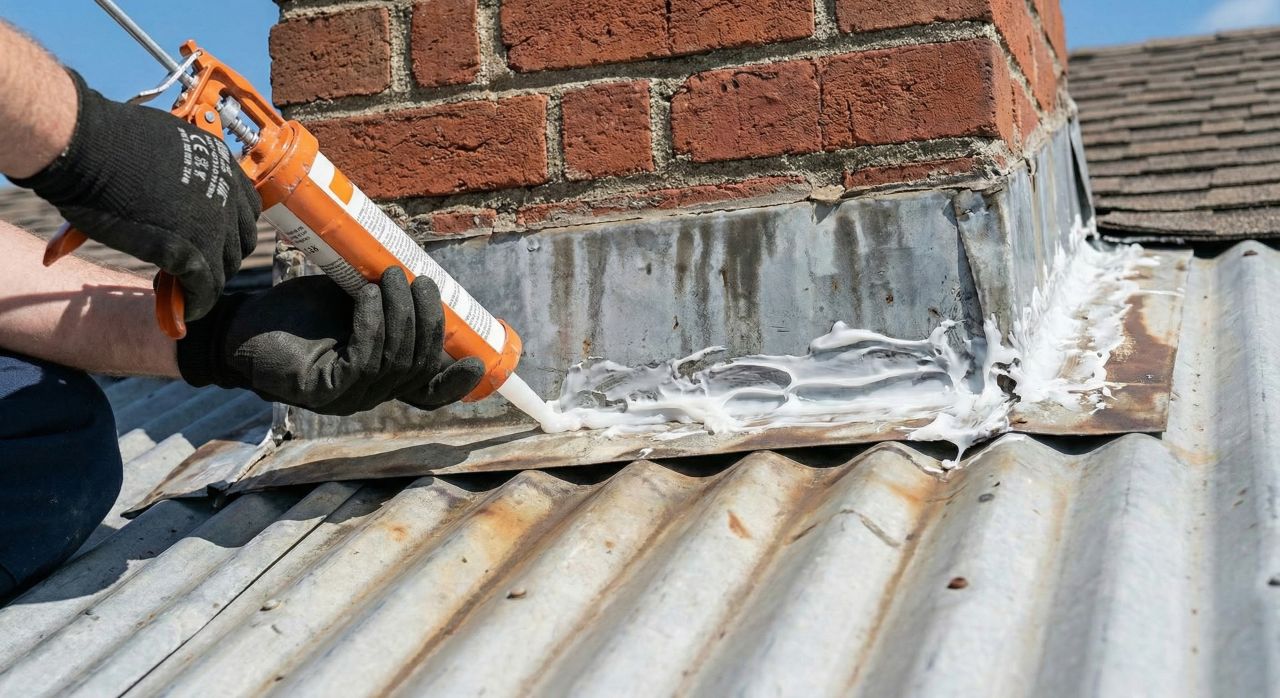
The biggest problem with metal roofs is improper installation, not the metal itself. If you want one sentence that is brutally accurate, it is this: a high-quality metal panel can be ruined by average detailing, and a “metal roof problem” is usually a flashing, fastening, or transition problem hiding in plain sight.
Metal roofing is not fragile. In fact, it is one of the most durable roof types you can put on a home. The downside is that it is a more engineered system than shingles, and it requires a crew that understands water path design, thermal movement, and clean termination details. Shingles are forgiving because they are made of thousands of small overlapping pieces. Metal is less forgiving because the panels are larger, the details are tighter, and small shortcuts can create big consequences later.
Here are five real problems homeowners run into with metal roofs. Notice that most of them are not “metal is bad.” They are “metal must be installed and detailed correctly.”
Most failures blamed on metal roofing are actually failures of craftsmanship and detail work. The metal panel field itself is rarely the issue. The problem is almost always at the places where water behavior changes: valleys, roof-to-wall intersections, chimneys, pipe penetrations, skylights, ridges, hips, and anywhere the roof has to terminate into a wall or a gutter line.
The most common mistake is treating metal like shingles. With shingles, some contractors get away with “close enough” flashing because layered materials can still shed water in multiple redundant paths. With metal roofing, you must intentionally build the water path. That means correctly stepped sidewall flashings, correctly built headwall transitions, a proper chimney cricket when needed, and penetration flashings that are compatible with the specific panel profile. It also means using the right closures at eaves and ridges so wind-driven rain cannot travel up under the panel ribs.
Underlayment mistakes also show up as “metal roof leaks.” If laps are wrong, fasteners are overdriven, ice-and-water style membranes are misused, or a low-quality underlayment is selected for high-heat conditions, problems may show up later and the homeowner understandably blames the roof surface. In reality, the failure is the waterproofing layer and detailing strategy underneath.
There is also the issue of ventilation and condensation. Condensation is usually an attic and building-envelope problem, not a metal-roof problem, but metal gets blamed because homeowners see moisture on the underside of the deck and assume the roof is “sweating.” A proper install includes an attic moisture plan: balanced intake and exhaust, proper air sealing, and insulation strategy. Without that, the roof system can be unfairly blamed for a building-science issue.
Bottom line: the biggest “metal roof problem” is hiring a crew that is great at shingles but only occasionally does metal. Metal roofing demands consistent, repeatable detailing, not improvisation on the roof.
The second biggest drawback is the one homeowners feel immediately: the initial price is higher. Metal roofing usually costs more because both the materials and labor are in a different tier.
Material pricing is higher because you are buying coated steel or aluminum with a factory finish, plus purpose-built trims, closures, clips or fasteners, and penetration accessories designed for the system. Labor pricing is higher because the install is slower and more technical. Panel layout has to be clean. Cuts and hems have to be accurate. Penetration details take more time. Standing seam systems often involve more precise alignment and more careful handling throughout the job.
This is not a marketing point. It is mechanical reality. Metal is not just “a different top layer.” It is typically a higher-spec roof assembly, and that costs more at install.
What homeowners should understand is that the cost difference is often purchased back through lifespan and fewer replacements, but the drawback remains: you have to fund the investment upfront, even if the roof is designed to serve for decades.
Metal expands and contracts every day. That thermal movement is normal, and a properly designed system expects it. Problems happen when a roof is installed as if it is rigid.
On exposed-fastener systems, movement can show up over time as fastener back-out, washer fatigue, or stress around screw lines if the fastening pattern is wrong or fasteners are overdriven. On standing seam systems, movement problems show up when clip choice is wrong, clip spacing is wrong, or panels are pinned in ways that prevent the system from sliding as it heats and cools.
Homeowners sometimes report popping noises or creaks. That can be harmless thermal movement, but it can also be a signal of binding where panels are fighting the structure or fighting an improperly detailed transition. The most important place movement gets mishandled is at penetrations and terminations, where a rigid detail can tear sealant, deform flashing, or concentrate stress at a seam.
This is not a reason to fear metal roofs. It is a reason to choose a system appropriate for the home and climate, and to insist on correct detailing so movement is managed rather than resisted.
Some of the most common complaints about metal roofs are visual, not functional. The big one is oil canning, which is visible waviness in the flat portion of panels. It can be influenced by panel width, substrate flatness, manufacturing tolerances, handling, and even lighting angle. Oil canning is typically an aesthetic condition, not a leak or durability condition, but it can frustrate homeowners who expected perfectly flat panels in every light.
Metal roofs can also show scuffs or minor scratches from installation handling or later foot traffic. This is more likely on roofs that require regular access for HVAC servicing, chimney work, or gutter maintenance. High-quality paint systems are very durable, but no roof finish is immune to abrasion if it is walked on repeatedly without care.
These cosmetic realities are solvable, but they require correct expectation-setting and smart product selection. Narrower panel widths, certain profiles, and certain colors can reduce visible waviness. Proper staging and handling reduce scratches. If appearance is a top priority, the roof needs to be designed for appearance, not just installed for weather.
This category sounds like the “bad stuff,” but most of it is situational and manageable with correct design choices.
Hail can dent metal, especially thinner gauges, flatter profiles, and softer metals. In many cases, dents are cosmetic and the roof remains watertight, but appearance matters. This is why metal roof selection should account for local hail frequency, profile choice, and gauge. A roof can “perform” while still disappointing the homeowner aesthetically if denting occurs.
Finishes can also age over decades. Depending on coating quality, color, and sun exposure, some finishes chalk or fade gradually. High-quality PVDF-type finishes perform better long-term, but even premium finishes experience weathering over long time horizons. The key is choosing the right coating system and realistic expectations for how any exterior finish behaves after 20 to 40 years of sun exposure.
Corrosion is usually avoidable, but it becomes a risk when dissimilar metals are allowed to interact, wrong fasteners are used, debris traps moisture in valleys, or the roof is exposed to harsh chemicals. Problems most often appear around details and edges, not in the middle of panels. Proper fastener selection, proper metal pairing, and clean detailing prevent most corrosion issues before they ever start.
Metal roofs do not have a “fatal flaw.” The biggest problems come from two things: choosing a roof system that does not match the house, and hiring installers who do not build metal roofs with consistent detail discipline. If the design and detailing are correct, metal roofs are one of the most reliable roof types available for Tennessee homes.