Metal Roofing Alliance Member
TVA Preferred Partners Network
Music City Specialists
Nashville, TN
Licensed & Insured
BBB A+
.avif)
Call Anytime
(615) 649-5002Free Estimate
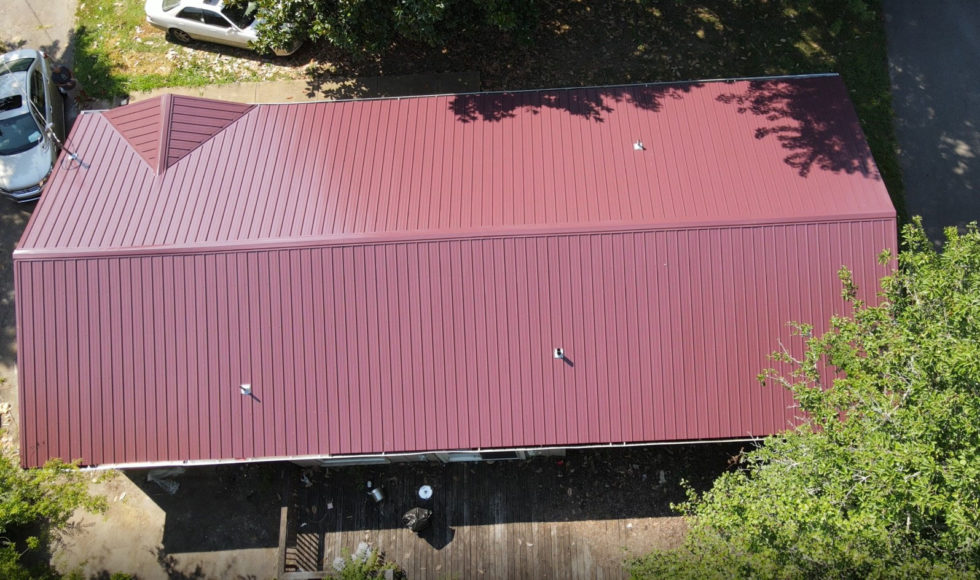
Metal roofs have real advantages over every other residential roofing material. They're durable, lightweight, fire-resistant, and they come in more colors and styles than most homeowners realize. Below are the most common metal roofing systems homeowners in Nashville actually choose, and why each one works.
Standing seam is the most popular metal roofing system and for good reason. The panels run vertically with raised seams that interlock tightly, with the fasteners concealed under the seams rather than exposed on the surface. The interlocking system creates a watertight seal, and the floating-clip installation lets the metal expand and contract with temperature swings without loosening fasteners over time.
It's a premium system that performs well across every climate and looks clean and modern on contemporary homes, modern farmhouses, and traditional architecture alike.
The classic panel — sometimes called exposed fastener or ribbed panel — is the workhorse of residential metal roofing. The fasteners go directly through the face of the panel with rubber washers sealing each penetration. It's faster to install than standing seam, which keeps the price down, and it works on a wide range of homes, barns, garages, and outbuildings.
The trade-off is that the exposed fasteners need to be checked every few years and the washers eventually replaced. Done right, classic panel roofs still perform reliably for decades.
Metal shingles are designed to mimic the look of traditional asphalt, slate, shake, or tile while delivering the durability of steel or aluminum. From the street they read traditional. Over decades, they perform like metal. Great for homeowners who want the upgrade without changing the visual character of their home.
Steel is the underlying material for most residential metal roofing on the market today, regardless of panel style. Quality steel roofing is coated with metallic and polymer paint systems that prevent rust and hold color for decades. It performs especially well in hail-prone areas, where its impact resistance limits the kind of damage that wrecks asphalt shingles.
Metal roofing handles every kind of harsh weather — wind, rain, hail, hot sun, freezing temperatures, falling branches. Nashville's mix of summer thunderstorms, occasional hail, and the rare ice event makes durability a meaningful factor here.
Metal needs almost nothing year-to-year compared to asphalt shingles. The maintenance list is short: clean the surface occasionally, keep gutters working, get an annual inspection, address small issues quickly. That's it.
A properly installed metal roof can last 50 to 75+ years. Most homeowners who install one in their forever-home never replace it. That's a meaningful financial difference compared to asphalt, which gets replaced every 15 to 30 years.
Most metal roofs contain 35 to 95% recycled content depending on the material, and at end-of-life they're 100% recyclable. Asphalt shingles, by contrast, are not recyclable and contribute roughly 20 billion pounds of waste annually to U.S. landfills. The energy-reflective properties of metal also lower cooling costs and reduce overall home energy use.
Yes, metal costs more upfront than asphalt. But over the 50+ year lifespan of a metal roof, you would install asphalt 2 to 3 times. Add the energy savings, the lower insurance premiums, and the higher resale value, and metal often comes out ahead financially. Most quality metal systems also carry transferable warranties — a real selling point when you sell the home.
The Metal Roofers has been installing metal roofs across Middle Tennessee for over 22 years. If you're considering a metal roof, we'd be glad to walk through the options for your specific home and give you honest numbers. Contact us for a free consultation with one of our roofing specialists.

The material cost difference between gauges is real but not dramatic. Going from 26 to 24 gauge typically adds $1.50–$3.00 per square foot to the project. On a 2,000 sq ft roof, that's roughly $3,000–$6,000 more — but you're getting a meaningfully more durable roof that may save money on repairs over decades.
We generally don't recommend 29 gauge for primary residences in Nashville. While it works fine for barns, carports, and outbuildings, it's thinner and more susceptible to denting from hail — and Nashville gets plenty of hail. The cost difference between 29 and 26 gauge is modest compared to the performance gap.
For most Nashville residential projects, 26 gauge is the standard choice. It provides excellent wind and hail resistance for Middle Tennessee's climate at a reasonable price point. 24 gauge is the premium option for homeowners who want maximum durability and dent resistance.

Choosing a metal roof for your Nashville home? Discover the most popular styles and why homeowners love them
Choosing a metal roof for your Nashville home? Discover the most popular styles and why homeowners love them
Choosing a metal roof for your Nashville home? Discover the most popular styles and why homeowners love them